Leave Your Message
High-purity formulations engineered to support critical metabolic functions during acute hypoglycemic interventions
An authoritative guide to clinical mechanisms, neuroprotection, industrial trends, and future market outlook.
In modern emergency medicine, acute hypoglycemia represents a critical metabolic crisis that demands immediate and highly effective intervention. While traditional treatments focus heavily on the rapid restoration of blood glucose levels via intravenous dextrose or glucagon, emerging clinical research highlights the vital importance of neuroprotection during and immediately after a hypoglycemic episode. This is where Aceglutamide Injection For Hypoglycemia Acute Treatment has emerged as a ground-breaking therapeutic strategy, offering clinical benefits that extend far beyond simple glycemic correction.
Acute hypoglycemia occurs when blood glucose concentrations drop to levels insufficient to sustain normal physiological functions, particularly within the central nervous system. The brain is uniquely vulnerable to glucose deprivation; it consumes approximately 20% of the body's total energy budget but has virtually no capacity to store glycogen. When glucose levels plummet, neurons face immediate energy failure, leading to a cascade of cellular dysfunction collectively known as neuroglycopenia.
If left untreated or if recovery is delayed, acute hypoglycemia can trigger severe cognitive impairment, seizures, focal neurological deficits, cardiac arrhythmias, permanent brain damage, and even death. Standard glucose infusions successfully restore systemic glycemic balance, but they do not immediately address the metabolic stress, glutamate excitotoxicity, and oxidative damage incurred by brain cells during the crisis. Consequently, integrating a neuroprotective agent like Aceglutamide Injection into the acute treatment protocol represents a paradigm shift in patient care.
"Aceglutamide acts as an essential metabolic bridge, providing the central nervous system with the cellular building blocks required to mitigate excitotoxicity and accelerate neuro-functional recovery during acute glycemic shocks."
Aceglutamide (acetylglutamide) is a highly stable acetylated derivative of L-glutamine. Unlike free glutamine, which has limited stability in solution and poor blood-brain barrier (BBB) penetration, Aceglutamide is designed to efficiently cross the BBB and enter astrocytes and neurons. Once inside the brain, it is enzymatically cleaved to release active glutamine and glutamic acid.
During acute hypoglycemia, the brain's neurotransmitter balance is severely disrupted. The lack of energy causes an uncontrolled release of glutamate, the primary excitatory neurotransmitter, leading to excitotoxicity and neuronal death. Aceglutamide helps restore homeostasis through several distinct pathways:
From an industrial perspective, the market for emergency neuroprotective agents is experiencing robust growth. The global rise in diabetes mellitus, combined with aggressive insulin therapies and the widespread use of sulfonylureas, has led to a corresponding increase in the incidence of severe, treatment-induced hypoglycemic emergencies. Consequently, hospital emergency departments, intensive care units (ICUs), and ambulance services are actively seeking therapeutic solutions that minimize long-term cognitive decline in survivors of severe hypoglycemic coma.
Manufacturers are focusing on optimizing the stability, purity, and delivery mechanisms of Aceglutamide Injection. Meeting stringent international standards such as Good Manufacturing Practices (GMP), British Pharmacopoeia (BP), and United States Pharmacopeia (USP) is critical for pharmaceutical suppliers. Advanced bio-fermentation processes are increasingly utilized to synthesize high-purity raw materials, reducing production costs while ensuring the highest safety profiles for clinical use.
As the pharmaceutical industry evolves, several key trends are shaping the future of Aceglutamide Injection For Hypoglycemia Acute Treatment:
1. Co-Crystallization and Pre-Mix Formulations: Innovations in drug delivery are leading to the development of stable pre-mixed solutions and co-crystallized compounds that combine Aceglutamide with other neuro-supportive agents, such as Vitamin B12 or essential electrolytes, to provide comprehensive metabolic resuscitation.
2. Rapid-Infusion Protocols: Researchers are evaluating high-concentration, low-volume formulations that can be administered rapidly in pre-hospital settings, ensuring that neuroprotection begins at the earliest possible moment during a hypoglycemic crisis.
3. AI-Driven Patient Stratification: In clinical settings, artificial intelligence is beginning to assist physicians in identifying patients at the highest risk for post-hypoglycemic cognitive deficits, allowing for targeted, proactive administration of Aceglutamide therapies.
To fully appreciate the clinical utility of Aceglutamide Injection, it is helpful to examine its application across diverse medical scenarios:
Scenario A: Refractory Hypoglycemia in the ICU
Patients suffering from severe sepsis, liver failure, or insulinoma may experience prolonged, refractory hypoglycemia that does not respond immediately to glucose infusions. In these cases, the brain is subjected to extended periods of nutrient deprivation. Administering Aceglutamide Injection alongside continuous dextrose support helps preserve cognitive architecture and prevents the onset of irreversible encephalopathy.
Scenario B: Pediatric Hypoglycemic Seizures
Children are highly susceptible to ketotic hypoglycemia and accidental insulin ingestion. Hypoglycemic seizures in pediatric patients can severely impact developing brain pathways. Aceglutamide provides a safe, stabilizing neuroprotective buffer, reducing post-ictal confusion and accelerating neurological recovery without the side effects associated with heavy anticonvulsants.
Scenario C: Geriatric Diabetic Care
Elderly patients with type 2 diabetes often exhibit "hypoglycemia unawareness," leading to profound, undetected drops in blood sugar. These episodes significantly accelerate the progression of vascular dementia and cognitive decline. Integrating Aceglutamide into their recovery regimen helps mitigate the cumulative microvascular and neuronal damage caused by recurrent hypoglycemic shocks.
Established and serving globally
Long-term cooperative clients
Close-related manufacturing partners
Annual sales volume achieved
Jiangxi Serum Pharma Industries Co., Ltd. is a premier supplier of high-quality pharmaceutical and nutritional products based in China. For nearly a decade, we have dedicated ourselves to the global export of biological products, vaccines, Western medicines, APIs, intermediates, and medical consumables. Our commitment to quality control and international regulatory compliance has made us a trusted partner to over 500 clients worldwide.
We continuously monitor cutting-edge pharmaceutical developments to provide customized services including Pre-Mix formulations, Co-Crystallization, and Bio-Fermentation technologies. By leveraging these advanced manufacturing methods, we ensure that products like our metabolic and neuroprotective injections meet the highest global standards of efficacy and safety.
Harnessing advanced technologies to optimize molecular stability, bioavailability, and therapeutic outcomes

Custom homogeneous blending of active ingredients and excipients to streamline large-scale commercial manufacturing.
Read More
Improving physical properties, solubility, and dissolution rates of complex APIs without altering their chemical structure.
Read More
Utilizing state-of-the-art biological synthesis to produce high-purity, eco-friendly pharmaceutical raw materials.
Read MoreStay informed with our latest research, market analyses, and pharmaceutical breakthroughs
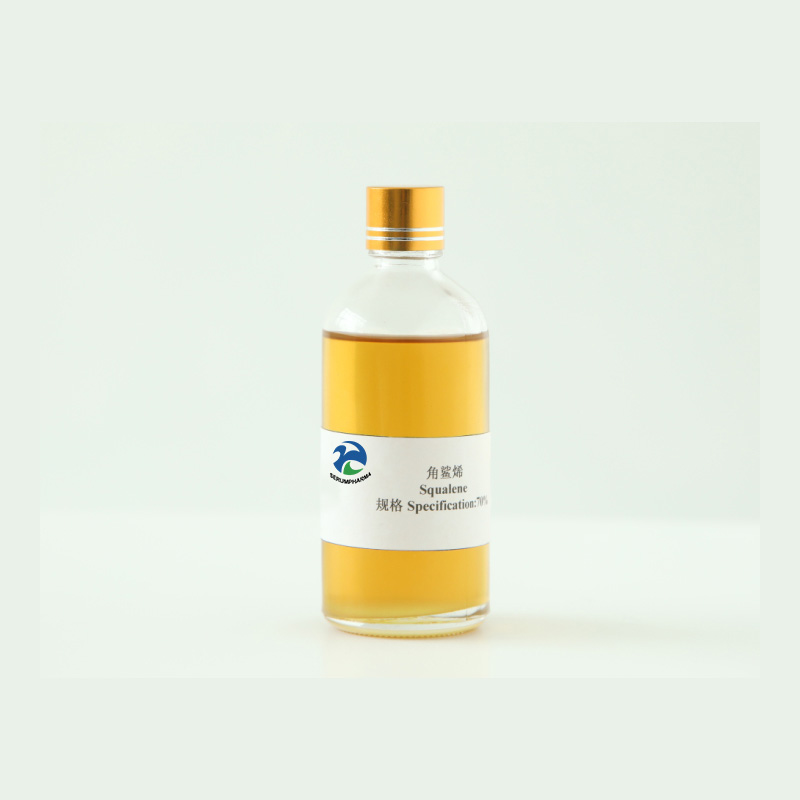
An in-depth look into the growing demand for sustainable, plant-derived squalene in formulation chemistry, detailing extraction efficiencies, market forecasts, and regulatory pathways...
Learn More
Exploring the indispensable role of Dexamethasone Sodium Phosphate in managing acute inflammatory responses, respiratory distress, and its synergistic application in emergency protocols...
Learn More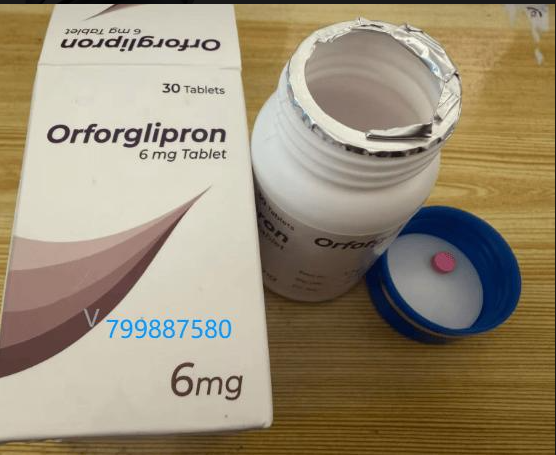
Analyzing the rapid approval and clinical trial results of oral small-molecule GLP1 receptor agonists, highlighting flexible administration guidelines and patient compliance metrics...
Learn MoreExplore our full range of GMP-compliant western medicines, injections, and nutritional ingredients