Leave Your Message
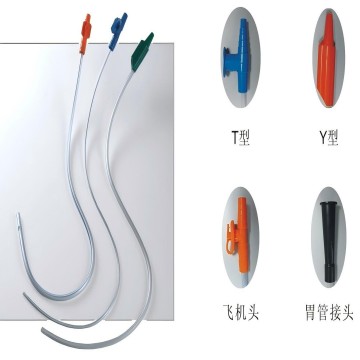
Deep Vein Thrombosis (DVT) is a major global health challenge, characterized by the formation of blood clots within deep veins, primarily in the lower extremities. If left untreated, DVT can lead to severe complications, including pulmonary embolism (PE)—a life-threatening condition—and post-thrombotic syndrome (PTS), which causes chronic pain, swelling, and ulceration. Traditional management relied heavily on systemic anticoagulation. However, modern clinical practice has shifted toward endovascular interventions, where specialized catheters for adult and child DVT treatment play a pivotal role.
Endovascular catheterization allows direct access to the occluded vascular segment. By navigating through the venous system under fluoroscopic guidance, clinicians can deliver thrombolytic agents directly into the clot or mechanically fragment and aspirate the thrombus. This targeted approach minimizes systemic bleeding risks and accelerates venous recanalization, significantly improving long-term patient outcomes.
Designing and selecting catheters for DVT treatment requires careful consideration of the patient's age and anatomical scale. The venous anatomy of a child differs fundamentally from that of an adult, not only in vessel diameter but also in wall fragility, blood flow dynamics, and the response to mechanical stress.
Adult DVT treatment often demands robust catheter systems capable of handling large, organized, and chronic thrombi. These catheters typically range from 6 Fr to 12 Fr in size. They must feature high torqueability, kink resistance, and large internal lumens to facilitate the aspiration of dense clot fragments. Adult catheters frequently integrate advanced mechanisms, such as hydrodynamic jets or rotating macerator cores, to break down stubborn clots in larger vessels like the femoral or iliac veins.
In contrast, pediatric DVT is a highly delicate clinical scenario. Children have much smaller blood vessels, and their vascular walls are highly susceptible to spasm, dissection, and long-term stenosis. Pediatric DVT catheters must range from micro-sizes up to 4 Fr or 5 Fr. The materials must be exceptionally soft and biocompatible, minimizing mechanical friction against the delicate endothelium. Pediatric interventions prioritize micro-catheter guided low-dose infusion over aggressive mechanical thrombectomy to prevent irreversible damage to developing vessels.
Key Clinical Insight: In pediatric DVT treatment, preserving the long-term patency of the access vein is paramount. Repeated catheterization or aggressive mechanical intervention can lead to premature venous occlusion, severely limiting future vascular access options for the growing child.
To address the diverse clinical presentations of DVT, the medical device industry has developed a broad spectrum of specialized catheters. Understanding these classifications is essential for selecting the optimal device configuration.
CDT catheters are designed with multiple side holes distributed along the distal segment, allowing for the uniform delivery of thrombolytic drugs (such as tPA) directly into the body of the clot. These infusion catheters are highly effective for acute, soft thrombi in both adult and pediatric patients. By placing the drug directly within the clot, the required therapeutic dose is minimized, drastically reducing the risk of systemic hemorrhage.
For rapid clot removal without the prolonged ICU stay associated with CDT, mechanical thrombectomy catheters are employed. These devices use physical mechanisms to break up the clot. Pharmacomechanical devices combine chemical dissolution with mechanical maceration and aspiration. In adult patients, these devices can clear massive clots in a single session, while smaller, low-profile versions are increasingly being adapted for adolescent patients.
Once the acute clot is cleared, underlying venous stenosis (such as May-Thurner syndrome in adults) must be addressed to prevent recurrence. Balloon angioplasty catheters are tracked to the site of narrowing and inflated to dilate the vessel. Venous-specific balloon catheters are engineered to exert high radial force while maintaining flexibility to navigate tortuous pelvic veins.
The global venous intervention market is experiencing rapid expansion, driven by rising clinical awareness, an aging global population, and technological advancements. Historically dominated by arterial devices, the medical consumables industry has recognized the unique biomechanical requirements of the venous system, leading to a surge in dedicated DVT treatment portfolios.
From a commercial perspective, the market is characterized by a shift toward value-based healthcare. Hospitals and vascular centers are prioritizing devices that reduce ICU stays, lower readmission rates, and minimize post-thrombotic syndrome. Consequently, catheter systems that offer single-session thrombectomy are gaining significant market share. Geographically, while North America and Europe remain the largest markets, the Asia-Pacific region is showing the fastest growth rate, fueled by improving healthcare infrastructure and local manufacturing capabilities in countries like China.
Innovation in catheter design is moving at a rapid pace, with several key trends shaping the future of DVT treatment for both adult and pediatric populations:
Jiangxi Serum Pharma Industries Co., Ltd. is a professional supplier of pharmaceutical and nutritional products in China. For nearly 10 years, we have been dedicated to exporting biological products, vaccines, Western medicines, raw materials, intermediates, medical consumables, food additives, and plant extracts, and have accumulated rich industry experience.
Read moreOUR PREMIUM PRODUCTS WILL BRING BACK THE HEALTH
Our pharmaceutical products consist of biological products, vaccines, western medicines, raw material, intermediates, medical consumables, with high quality and affordable prices.
View DetailsDerives From The Nature To Maintain Body Health And Balance With Purity
Our nutritional ingredients cover several categories as plant extracts, plant oils & proteins, probiotics and other specialties, we are committed to exploring more health ingredients to support people’s health.
View Details


Serum Pharma will continuously monitor the development of the cutting-edge markets. Currently, we have already cooperated with our partners on the customization of Pre-Mix, Co-Crystallization and Bio-Fermentation products service, and have launched corresponding support services. Details are as below:
Stay Updated with Our Latest Insights and Industry Developments
Exploring the growth dynamics, raw material sourcing, and applications of plant-derived squalene in modern pharmaceutical and nutritional industries.
Learn More
An in-depth analysis of the clinical efficacy, formulation standards, and supply chain dynamics of Dexamethasone Sodium Phosphate API.
Learn More
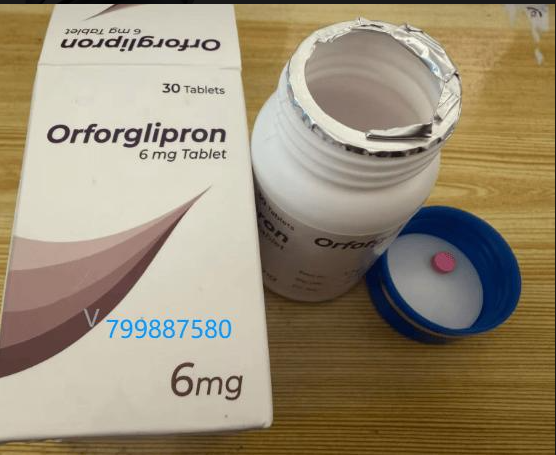
Reviewing the rapid 50-day approval process, patient convenience, and therapeutic landscape of the newly approved oral small-molecule GLP1 receptor agonist.
Learn More