
Leave Your Message
Essential medical devices and safety consumables engineered to support clinical workflows during high-risk pregnancy blood clot management.


Pregnancy inherently induces a state of hypercoagulability—a physiological adaptation designed to protect women from postpartum hemorrhage but one that simultaneously elevates the risk of venous thromboembolism (VTE) by up to five-fold. Managing blood clots during gestation, labor, and the postpartum period demands meticulous clinical precision. From administering low-molecular-weight heparin (LMWH) to performing emergency surgical thrombectomies, healthcare professionals rely heavily on all kinds of medical gloves to ensure sterile barriers, protect against chemical hazards, and maintain tactile feedback during delicate vascular procedures.
In modern obstetric care, medical gloves are no longer viewed merely as simple personal protective equipment (PPE). They are specialized tools tailored for specific clinical interventions. For instance, during the administration of aggressive thrombolytic regimens or the insertion of multi-lumen venous catheters, nurses and physicians must utilize gloves that offer optimal puncture resistance, chemical impermeability, and ergonomic comfort to prevent accidental needle sticks—which could introduce pathogens or disrupt highly regulated anticoagulant dosing schedules.
Selecting the appropriate glove material (Nitrile, Polyisoprene, or Latex) directly influences the safety of both the healthcare provider and the expectant mother during complex anticoagulation and surgical procedures.
High-durability nitrile gloves protect clinicians during the preparation and administration of intravenous heparin and thrombolytic agents.
Polyisoprene surgical gloves offer the feel of natural latex, crucial for precise catheter placement in deep vein thrombosis (DVT) interventions.
Sterile, double-gloving protocols during Cesarean sections for clot-prone patients minimize infection risks, which can trigger inflammatory coagulation cascades.
Analyzing market demands, regulatory compliance, and supply chain shifts in the medical glove sector dedicated to maternal care.
The global medical gloves market is experiencing a structural shift, driven by rising awareness of maternal health and the strict enforcement of safety protocols in labor wards. Pregnancy-related blood clot management represents a highly specialized niche within this market. The demand for powder-free, low-dermatitis potential, and high-tensile strength gloves has surged. Regulatory bodies, including the US FDA (under 510k clearance) and European CE standards (EN 455), have implemented rigorous testing criteria for medical gloves, focusing on barrier integrity (Acceptable Quality Level or AQL limits), tear resistance, and chemical permeation rates.
Commercially, manufacturers are prioritizing synthetic alternatives like nitrile and polyisoprene over traditional natural rubber latex. This transition is motivated by the necessity to eliminate Type I latex allergy risks in both pregnant patients and healthcare workers. In emergency obstetric situations, where patients' allergic histories may be unknown, having a standardized, latex-free inventory is critical. Furthermore, the integration of advanced coating technologies—such as colloidal oatmeal or aloe vera inner linings—helps maintain skin integrity for clinicians who must wear gloves for extended periods during prolonged labor monitoring and surgical thrombosis management.
The clinical management of gestational thromboembolism spans multiple high-pressure environments. In each scenario, the selection of the correct glove type is paramount to mitigating risks and ensuring successful outcomes.
When a pregnant woman on therapeutic heparin requires an emergency C-section, the risk of maternal hemorrhage is exceptionally high. Surgeons must work swiftly and with absolute precision. Sterile surgical polyisoprene gloves, often double-gloved with a contrasting color indicator system, are standard. The outer glove provides a robust barrier against sharp surgical instruments, while the inner glove alerts the surgeon immediately to any micro-punctures, protecting against blood-borne pathogens in a highly vascular surgical field.
For long-term administration of thrombolytics or for patients requiring continuous hemodynamic monitoring, central venous lines or peripherally inserted central catheters (PICCs) are deployed. Clinicians must wear sterile, high-tactile examination gloves during insertion to maintain asepsis. Any introduction of bacteria can lead to catheter-related bloodstream infections (CRBSI), which trigger systemic inflammation, worsening the patient's hypercoagulable state and potentially causing localized catheter-associated thrombosis.
Postpartum patients diagnosed with deep vein thrombosis (DVT) require regular subcutaneous injections of low-molecular-weight heparin. Nursing staff utilize standard nitrile examination gloves during these routine tasks. The gloves must offer excellent grip, even when wet, and resist degradation from alcohol swabs and sanitizing agents, ensuring that the clinician's hands remain protected and that cross-contamination between patients is completely prevented.
Looking ahead, the medical glove industry is adopting advanced material sciences and smart technologies to enhance maternal healthcare. One of the most promising trends is the development of biodegradable nitrile gloves that maintain the same protective barriers as traditional synthetics but decompose significantly faster in landfills, addressing the growing demand for sustainable healthcare systems.
Furthermore, research is underway to embed antimicrobial and antiviral coatings directly into the outer surface of gloves. These active coatings can rapidly neutralize pathogens upon contact, adding an extra layer of protection during emergency deliveries. In the realm of AI and smart tech, prototype gloves containing flexible biosensors are being explored. These sensors could monitor the clinician's hand fatigue or even measure real-time pressure applied during physical examinations, ensuring gentle and safe handling of high-risk pregnant patients.



Jiangxi Serum Pharma Industries Co., Ltd. is a professional supplier of pharmaceutical and nutritional products in China. For nearly 10 years, we have been dedicated to exporting biological products, vaccines, Western medicines, raw materials, intermediates, medical consumables, food additives, and plant extracts, and have accumulated rich industry experience.
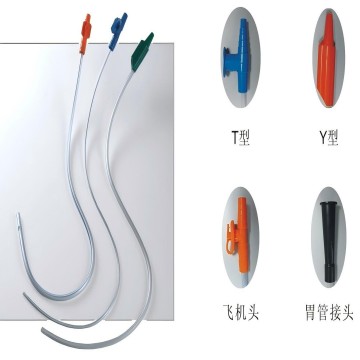
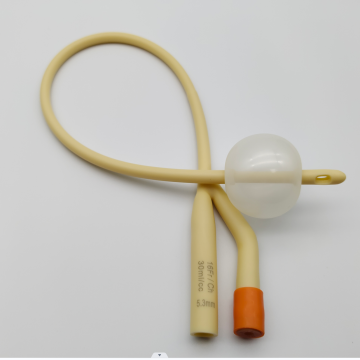
Our comprehensive portfolio supports the healthcare sector holistically. From supplying high-quality medical consumables like catheters and tubes to offering active pharmaceutical ingredients (APIs) and nutritional ingredients that support vascular health and balance, we are committed to improving maternal and clinical outcomes globally.
Read More About UsStay updated with our latest research, market analysis, and product developments in modern medicine.
Exploring the rising demand for natural squalene in pharmaceutical emulsions and vascular health supplements, highlighting sustainable sourcing methods.
Learn More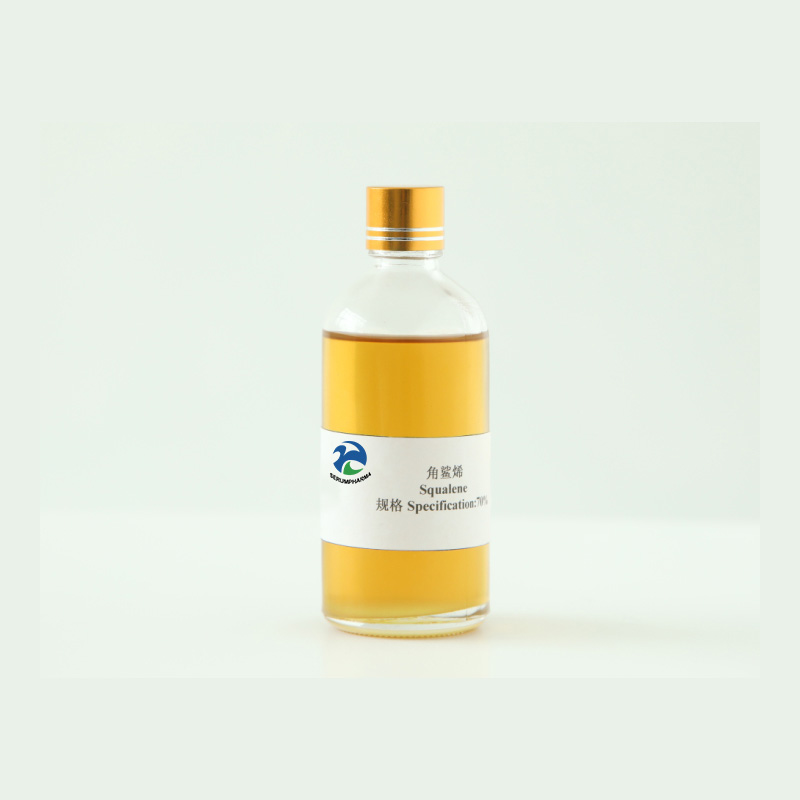
An in-depth review of dexamethasone's anti-inflammatory efficacy, role in managing maternal inflammatory complications, and global API supply chain dynamics.
Learn More
Analyzing the rapid approval processes for oral small-molecule GLP-1 receptor agonists and their broader implications for metabolic and vascular health.
Learn More
Explore our complete range of medical consumables, active pharmaceutical ingredients, and nutritional solutions.