Animal Health Products For Pregnancy-Related Blood Clot Management
Pregnancy in animals, particularly in high-value livestock, equine breeding operations, and companion animals, represents a physiological phase of profound metabolic and vascular adaptation. Among the most critical yet under-diagnosed challenges in veterinary obstetrics is the management of hypercoagulable states. Just like in human medicine, pregnancy-related thrombosis—or blood clot formation—presents severe risks to both the maternal animal and the developing fetus. The demand for highly specialized animal health products tailored for pregnancy-related blood clot management has escalated, driven by the expansion of intensive breeding programs, advanced veterinary diagnostic capabilities, and the rising economic valuation of breeding stock.
1. The Pathophysiology of Pregnancy-Related Thrombosis in Animals
During gestation, an animal’s body undergoes systemic alterations designed to support fetal growth and protect against excessive hemorrhage during parturition. This natural state of hypercoagulability is characterized by an increase in coagulation factors, decreased fibrinolytic activity, and localized venous stasis caused by the expanding gravid uterus pressing against major pelvic vessels. While this serves as an evolutionary safeguard against bleeding out during birth, it significantly elevates the risk of pathological thrombus formation.
Microthrombosis in the placental vasculature can lead to uterine artery thrombosis, placental insufficiency, fetal mummification, abortion, or the birth of weak offspring. In canine and feline patients, pregnancy-associated hypercoagulability can manifest as deep vein thrombosis (DVT) or life-threatening pulmonary thromboembolism (PTE). In equine medicine, compromised uterine blood flow due to micro-clots is a recognized cause of spontaneous abortion in high-value thoroughbred mares. Consequently, veterinary pharmacotherapy is increasingly focusing on prophylactic and therapeutic antithrombotic interventions to stabilize gestational microcirculation.
Key Physiological Drivers of Gestational Thrombosis
Understanding these three pillars of Virchow's Triad during animal gestation helps in designing precise therapeutic protocols:
- Vascular Endothelial Injury: Caused by localized mechanical pressure of the uterus or systemic inflammatory responses (e.g., mastitis, metritis).
- Stasis of Blood Flow: Reduced venous return from the hindlimbs and pelvic region due to uterine expansion.
- Hypercoagulability: Elevated levels of fibrinogen and clotting factors accompanied by a reduction in natural anticoagulants like Antithrombin III.
2. Industrial Landscape & Market Dynamics of Veterinary Antithrombotic Agents
The global animal health market has transitioned from broad-spectrum treatments to highly targeted, molecular-level therapies. The segment of veterinary cardiovascular and hematological products is experiencing rapid growth, with a compound annual growth rate (CAGR) reflecting the increased willingness of pet owners and livestock managers to invest in advanced medical interventions. The industrial production of active pharmaceutical ingredients (APIs) like Enoxaparin Sodium has become a cornerstone of this market.
Historically, unfractionated heparin was the primary tool for managing animal thrombosis. However, its unpredictable pharmacokinetics and the high risk of hemorrhage limited its safety profile in pregnant animals. The industry has shifted toward Low Molecular Weight Heparins (LMWHs), with Enoxaparin Sodium leading the therapeutic class. LMWHs offer superior bioavailability, longer half-lives, and a more predictable anticoagulant response, making them far safer for long-term gestational maintenance. Manufacturing these APIs under strict GMP standards is vital, as purity directly influences the safety margins in pregnant animals where fetal survival hangs in the balance.
3. Deep Application Scenarios: Managing Thromboembolism in Breeding and Companion Animals
Scenario A: Equine Gestational Laminitis and Placental Insufficiency
In Thoroughbred and sports horse breeding, mares are prone to gestational laminitis and placental perfusion failure. Microthrombi within the laminae of the hoof or the microvessels of the placenta can lead to catastrophic laminitis or late-term abortion. Antithrombotic protocols involving low-dose Enoxaparin Sodium API, combined with uterine tonics and rheological agents, help preserve microvascular perfusion. This double-pronged approach ensures optimal oxygen and nutrient delivery to the fetus while protecting the mare from debilitating vascular damage.
Scenario B: Canine and Feline Pregnancy-Associated Hypercoagulability
In small animal reproduction, particularly in breeds predisposed to cardiac conditions (such as Cavalier King Charles Spaniels or Maine Coon cats), pregnancy exacerbates the risk of arterial thromboembolism (ATE). Managing these patients requires precise administration of LMWH. Because these animals require prolonged treatment throughout their gestation, veterinary clinicians rely on high-purity APIs formulated into easy-to-administer subcutaneous injections, coupled with close monitoring of Factor Xa activity.
Scenario C: High-Yield Dairy Swine and Bovine Gestational Microcirculation
In intensive livestock production, systemic inflammation (often triggered by subclinical mastitis or metritis) during late gestation triggers a pro-thrombotic state. This state compromises uterine blood flow, leading to low birth weight or stillbirths in swine litters and dairy calves. Integrating systemic vascular support, anti-inflammatory compounds, and gut-microbiome stabilizers like Lactobacillus Helveticus and Bifidobacterium has emerged as a modern strategy to reduce systemic endotoxemia, a primary driver of intravascular coagulation.
4. The Synergy of APIs and Nutritional Support in Gestational Care
Modern veterinary medicine advocates for a holistic approach, combining direct pharmaceutical intervention with advanced nutritional science to manage gestational vascular health. The integration of various product categories yields a synergistic effect:
Direct Antithrombotic Intervention: Enoxaparin Sodium API
Enoxaparin Sodium stands as the primary line of defense. By selectively inhibiting Factor Xa over Factor IIa, it prevents thrombin generation without severely disrupting primary hemostasis, minimizing the risk of placental hemorrhage. This balance is critical during the delicate stages of embryonic implantation and late-stage fetal growth.
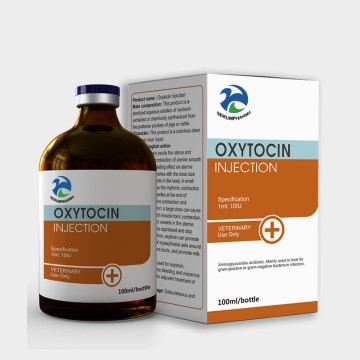
Hormonal & Reproductive Synchronization: Oxytocin Injection
While antithrombotics keep the vascular pathways clear, reproductive safety requires precise uterine management. High-purity veterinary oxytocin injections are utilized to manage uterine contractility and assist in post-parturient cleanup, reducing the risk of retained placenta—a major trigger for systemic inflammation, endotoxemia, and secondary thrombosis.
Microbiome Modulation: Lactobacillus Helveticus & Bifidobacterium
The gut-vascular axis is a developing frontier in veterinary medicine. Pathogenic gut dysbiosis during pregnancy can lead to leaky gut syndrome, allowing lipopolysaccharides (LPS) to enter the bloodstream. LPS is a potent trigger for systemic inflammation and intravascular clotting. Feeding high-quality probiotics like Lactobacillus Helveticus and Bifidobacterium stabilizes the gut barrier, reducing systemic endotoxin absorption and maintaining a stable vascular environment.
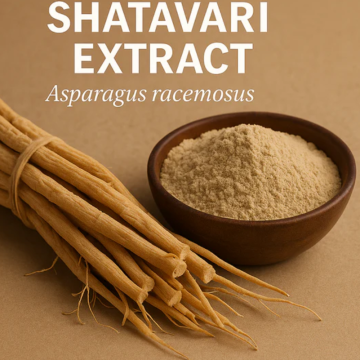
Phytotherapeutic Support: Natural Shatavari Extract
Natural adaptogens and antioxidants play a supportive role in vascular health. Shatavari Extract, traditionally valued for its reproductive support, contains active saponins that help regulate hormonal balance, reduce oxidative stress on vascular endothelial cells, and support overall uterine health during high-stress gestational periods.
5. Future Trends: AI Integration, Bio-Fermentation, and Sustainable APIs
The future of pregnancy-related blood clot management in animals lies in precision medicine and biotechnology. The industry is moving toward smart formulation technologies, such as co-crystallization and advanced pre-mixes, which improve the stability and bioavailability of oral antithrombotic ingredients. Furthermore, the application of artificial intelligence (AI) in veterinary diagnostics allows for early detection of hypercoagulability by analyzing real-time biomarkers and vascular flow dynamics.
Bio-fermentation technologies are also revolutionizing the production of raw materials. Sustainable, bio-fermented APIs and nutritional components ensure a stable supply chain, free from the contamination risks associated with animal-derived raw materials. This technological evolution guarantees that veterinarians have access to consistent, high-purity therapeutic agents to safeguard animal reproductive health.
6. Partnering with Jiangxi Serum Pharma for Advanced Veterinary Solutions
As a leading supplier with nearly a decade of experience, Jiangxi Serum Pharma Industries Co., Ltd. is dedicated to providing the global market with premium-grade pharmaceutical APIs, vaccines, western medicines, and nutritional ingredients. Our comprehensive portfolio—ranging from Enoxaparin Sodium API to specialized probiotics and reproductive supports—is designed to meet the rigorous demands of modern veterinary medicine. By focusing on quality assurance, technological innovation, and stable global supply chain management, we empower veterinarians and animal health manufacturers worldwide to achieve superior breeding outcomes and maintain optimal animal welfare.