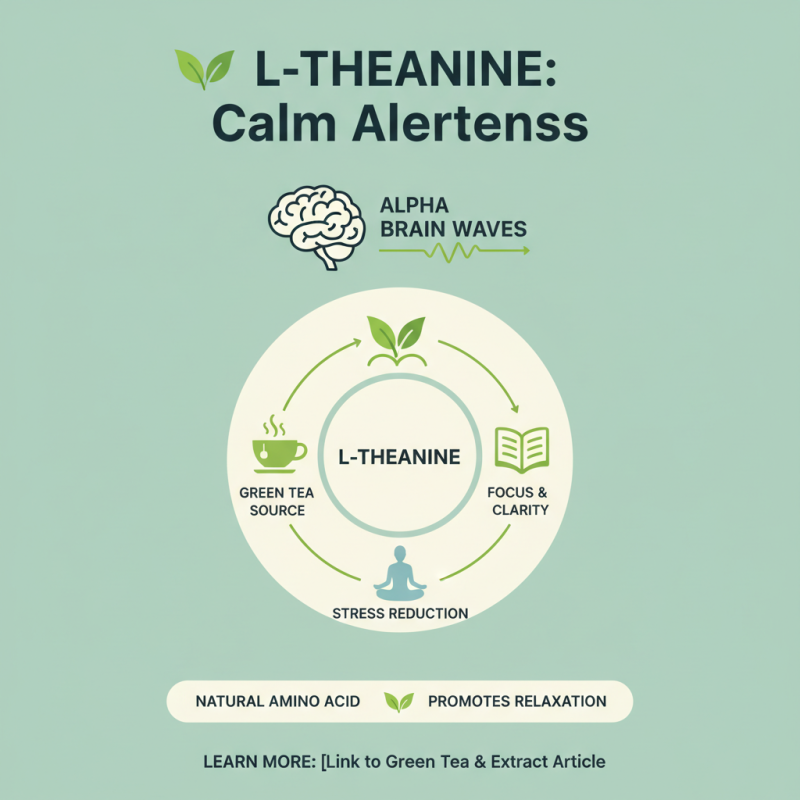
Lately, there's been a lot of buzz around the health perks of ‘L-Theanine from Green Tea,’ and honestly, it's caught the attention of people all over the world. I mean, Dr. James Thompson, who’s a top researcher at the Green Leaf Health Institute, even said, “The calming effects of L-Theanine are pretty impressive — it helps boost your focus without that jittery feeling you often get from caffeine.” That really highlights just how powerful this amino acid found in green tea can be.
So, what’s the big deal? Well, L-Theanine is known for helping folks relax and just feel less stressed out. These days, more and more people are on the lookout for natural remedies, and honestly, green tea is a pretty simple, accessible option. The fact that it’s packed with L-Theanine makes it even more appealing. But here’s the catch — not all green tea is the same quality, which means the levels of L-Theanine can really vary. That’s a bit of a headache for both buyers and makers alike.
If you’re shopping around for green tea with good amounts of L-Theanine, it's super important to pay attention to where it’s coming from. Not all green teas are created equal, and finding the real deal takes a bit of effort. Companies that are transparent about their sourcing and quality really help consumers trust that what they’re buying will actually deliver those benefits. Otherwise, a lot of that potential benefit may just go to waste, which is a real shame.

Overview of L-Theanine and Its Sources
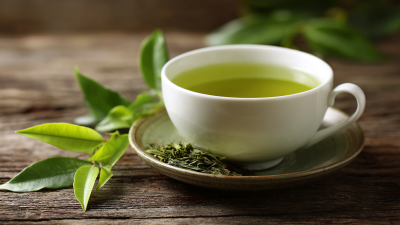
L-Theanine is a unique amino acid primarily found in green tea. It is renowned for its calming effects, promoting relaxation without causing drowsiness. This makes it popular among those seeking mental clarity and focus. Studies suggest that L-Theanine can enhance cognitive performance, especially during stressful situations.
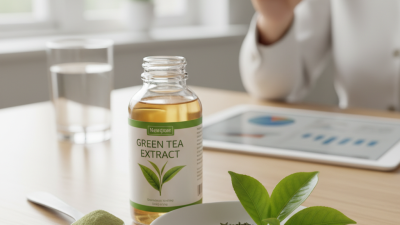
Sources of L-Theanine include various types of tea, particularly green tea. The concentration of this compound increases as the tea leaves mature. Matcha, a powdered form of green tea, contains higher levels of L-Theanine because it uses the whole leaf. This compound is distinctive to green tea, which differentiates it from other beverages. Additionally, Green Tea Extract Theanine provides a concentrated source for those not consuming tea regularly.
It's important to note that while L-Theanine offers potential benefits, individual responses may vary. Some people might not experience significant effects. Factors like dosage and personal health can impact the results. Embracing this natural compound can be rewarding, but one should approach it with realistic expectations.
Top Benefits of L-Theanine From Green Tea
Health Benefits of L-Theanine Found in Green Tea
L-Theanine, a unique amino acid found in green tea, has gained attention for its impressive health benefits. Scientific studies suggest it promotes relaxation without causing drowsiness. According to a 2020 report from the National Institutes of Health, L-Theanine may help reduce stress and anxiety levels. Participants in a study reported less tension after regular consumption of green tea containing L-Theanine.
Moreover, L-Theanine enhances cognitive function. Research indicates that it can improve attention and reaction time, especially when combined with caffeine. A study published in the Journal of Applied Physiology revealed that participants showed better focus and mental clarity after consuming a beverage rich in L-Theanine. These benefits make it a popular choice among students and professionals alike.
While L-Theanine is generally safe, individual responses can vary. Some people may experience mild digestive discomfort. Others might not notice any significant effects. Understanding these nuances is crucial for potential users seeking to incorporate L-Theanine into their routines. Personal experiences can be enlightening, guiding individuals to determine what works best for them.
Top Benefits of L-Theanine From Green Tea for Global Buyers
| Benefit |
Description |
Scientific Evidence |
Recommended Dosage |
| Stress Relief |
L-Theanine promotes relaxation and reduces stress without causing drowsiness. |
Numerous studies have shown a decrease in cortisol levels after L-Theanine intake. |
100-200 mg per day. |
| Improved Focus |
Enhances attention and focus, particularly during complex tasks. |
Research indicates improved cognitive performance with L-Theanine supplementation. |
50-200 mg per serving. |
| Better Sleep Quality |
Helps in falling asleep faster and improves overall sleep quality. |
Clinical trials show significant improvements in sleep quality with L-Theanine. |
200-400 mg before bedtime. |
| Boosted Immune System |
May enhance immune function and promote overall health. |
Studies show enhanced immune response with regular L-Theanine consumption. |
200 mg daily. |
| Reduced Anxiety |
L-Theanine can help in alleviating anxiety and providing a calming effect. |
Research supports L-Theanine's effectiveness in reducing anxiety levels. |
100-400 mg as needed. |
Cognitive Enhancement: How L-Theanine Affects Mental Performance
L-Theanine, an amino acid found in green tea, is known for its cognitive enhancement properties. Research indicates that it can improve mental performance, especially during stressful situations. When combined with caffeine, L-Theanine promotes focus and attention without the jittery side effects often associated with caffeine intake. This unique combination is why many people turn to L-Theanine and green tea extract for a mental boost.
Tips for incorporating L-Theanine into your routine include drinking green tea daily. Aim for 1-2 cups for optimal results. Alternatively, consider supplements if tea isn't your preference. Be aware that individual responses may vary. Some might experience significant improvements in focus, while others may find the effects subtle and less pronounced.
Incorporating L-Theanine into your diet could lead to better concentration and improved task performance. Monitoring how it affects your day-to-day functioning can provide deeper insights. Document any changes in mood or mental clarity. Adapting your intake based on personal experiences can maximize the benefits of L-Theanine and green tea extract.
Stress Reduction and Relaxation Properties of L-Theanine
L-Theanine, a natural amino acid found predominantly in green tea, offers remarkable stress reduction and relaxation properties. It works by promoting alpha brain wave activity, which can lead to a state of calm alertness. Many people may underestimate its effectiveness, often overlooking the possibility that such a simple compound can influence mental well-being. Some users report feeling more focused and less anxious after consuming Green Tea And Green Tea Extract.
The calming effects of L-Theanine often emerge within 30 to 40 minutes after consumption. Its ability to lower cortisol levels, the hormone associated with stress, is noteworthy. While some individuals might not experience an immediate effect, regular intake may lead to significant stress relief. It’s intriguing—many seekers of relaxation resort to elaborate methods but overlook the natural solution in their cup of green tea.
However, the interplay of ingredients in green tea can be complex. Each person's response to L-Theanine can vary based on diet and metabolism. Therefore, it’s crucial to listen to your own body when integrating this compound into your routine. Experimenting with different doses may yield personal insights. Understanding one’s unique response to green tea and green tea extract can be a journey worth undertaking. Embracing the natural properties of L-Theanine might just lead to a more relaxed lifestyle.
L-Theanine's Role in Sleep Quality Improvement
L-Theanine, a remarkable amino acid found in green tea, has garnered attention for its impact on sleep quality. This compound promotes relaxation without sedation. It supports the body's ability to manage stress, allowing for deeper sleep cycles. Many people struggle with insomnia, and L-Theanine offers a natural route to enhance restfulness. It can potentially decrease sleep latency, helping individuals fall asleep more quickly.
Research indicates that L-Theanine can improve sleep efficiency. This means that individuals experience less tossing and turning at night. When consumed, it increases alpha brain wave activity, which fosters a calm and tranquil mind. Some users report feeling more refreshed upon waking after incorporating L-Theanine into their evening routine.
The experience with L-Theanine varies. While many enjoy its benefits, others may find it less effective. It's essential to give it time and observe individual responses. Sleep quality can be influenced by many factors, including lifestyle and environment. Each person's journey to better sleep is unique. Understanding this can lead to a more tailored approach towards using L-Theanine for enhanced night rest.
Potential Side Effects and Considerations of L-Theanine
L-Theanine, an amino acid found in green tea, is well-known for its calming effects. However, potential side effects require attention. Research indicates that while L-Theanine is generally safe, some users report mild side effects. These include headaches, dizziness, and digestive issues. It's crucial for buyers to be aware of these possibilities when considering supplementation.
A study published in the Journal of Clinical Psychiatry noted that L-Theanine could alter neurotransmitter levels. This alteration may lead to increased relaxation but could also result in unintended consequences for some individuals. The balance of neurotransmitters is delicate. Over-supplementation may disrupt this balance, causing heightened anxiety rather than relief.
It is recommended to consult healthcare professionals before starting L-Theanine. Individual responses can vary significantly. Customers should approach L-Theanine with caution. Starting with a low dose allows for adjustment to its effects. Monitoring one's own body’s reaction is key. While many experience benefits, some may need to rethink their usage, especially if negative reactions occur.
Comparative Analysis: L-Theanine in Tea vs. Supplements
L-Theanine, a unique amino acid found in green tea, is gaining attention among health-conscious consumers. It offers several benefits, including promoting relaxation and enhancing focus. But how does L-Theanine in tea compare to its supplement form? Both sources provide advantages, yet their effects may vary.
L-Theanine in tea is naturally balanced with other compounds. It contains caffeine, which can boost alertness when combined with L-Theanine. This synergy may lead to a calm yet alert state, ideal for focused tasks. Studies suggest that the presence of polyphenols in tea can further enhance L-Theanine's effects. A typical cup offers around 40% L-Theanine, combined with these beneficial compounds.
On the other hand, supplements provide a more concentrated dose. Users can easily measure intake, ensuring they receive a consistent amount. However, this concentrated form may lack the nuanced effects found in tea. Some might find that the supplement form feels intense, lacking the smoothness of tea's natural composition. It invites reflection on personal preference.
Tips for optimal use include monitoring how your body reacts to both sources. Experiment with dosage, adjusting based on your needs. Pairing tea with mindfulness practices can maximize its calming benefits. Ultimately, understanding how your body responds will guide the best choice for you.
Harnessing the Power of Green Tea Extract: Unlocking Health Benefits of Polyphenols, EGCG, and Catechins
Green tea, derived from the leaves of the Camellia sinensis plant, has been celebrated for centuries for its numerous health benefits. Rich in polyphenols, particularly epigallocatechin gallate (EGCG) and catechins, green tea extract offers a powerhouse of antioxidants that combat free radicals in the body. These compounds play a crucial role in protecting cells from oxidative damage, which is linked to aging and various health issues, including cancer and cardiovascular diseases. Research indicates that the consumption of green tea extract can enhance overall wellness by supporting heart health, promoting weight management, and boosting metabolic rates.
The health advantages of green tea extract are becoming increasingly recognized, leading to various specifications tailored to meet diverse health needs. Typical formulations include varying concentrations of catechins and EGCG, such as 30% catechins with 15% EGCG or higher concentrations like 70% catechins and 40% EGCG. These extracts can be easily incorporated into daily routines, available as a light yellow powder that can be mixed into beverages or supplements. The versatility and high efficacy of green tea extract make it a valuable addition to health and wellness products, appealing to consumers seeking natural ways to enhance their health.
FAQS
: L-Theanine is a natural amino acid mainly found in green tea. It promotes relaxation and reduces stress.
Many users feel its calming effects within 30 to 40 minutes after consumption.
Yes, some users report mild side effects like headaches, dizziness, and digestive issues.
It's recommended to consult a healthcare professional for personalized advice on L-Theanine use.
Tea has a balanced composition with caffeine, while supplements offer a concentrated and measurable dose.
Yes, individual responses can vary widely. It’s important to monitor how your body reacts.
Over-supplementation may cause heightened anxiety. Starting with a low dose is advisable.
Experiment with dosages and pair tea consumption with mindfulness practices for enhanced relaxation.
Many seek complex solutions but underestimate the simple benefits of natural compounds like L-Theanine.
Consider your individual reactions and adjust your usage accordingly for optimal well-being.
Conclusion
L-Theanine from green tea is a unique amino acid renowned for its numerous health benefits. This article highlights the sources of L-Theanine, primarily found in green tea, and explores its significant advantages, including cognitive enhancement and improved mental performance. Additionally, L-Theanine is recognized for its stress reduction and relaxation properties, making it a popular choice for those seeking to alleviate anxiety.
Furthermore, the role of L-Theanine in enhancing sleep quality is analyzed, emphasizing its potential to promote restful sleep without adverse side effects. However, it is essential to consider potential side effects and individual health considerations when incorporating L-Theanine into one’s routine. Lastly, a comparative analysis between L-Theanine obtained from tea versus supplements provides insights for global buyers looking to maximize their health benefits effectively.