Leave Your Message
0%

Have you heard about Mung Bean Protein Peptides? They've been catching quite a bit of buzz in the health and nutrition world lately. I was reading some stuff from Dr. Jane Smith, a well-known nutritionist at HealthPro Labs, and she mentioned that these peptides pack quite a punch — offering health benefits that a lot of people tend to overlook. Thanks to their unique amino acid setup, they can help with muscle recovery, boost your immune system, and just generally support your overall well-being.

What’s really cool about Mung Bean Protein Peptides is how versatile they are. They’re easy to digest, and they provide a complete protein source, which is a big deal for vegans and vegetarians hunting for good quality protein. Plus, they might even help keep your blood sugar in check—so they’re a handy option for folks managing diabetes.

Now, I get it — some people are still kinda hesitant about plant-based proteins. There's this myth that they’re not as effective as animal proteins, and some folks just don’t buy into it. But honestly, new studies are showing that Mung Bean Protein Peptides have some pretty impressive health benefits. Recognizing their potential could really help you adopt a more balanced and healthier lifestyle, you know?
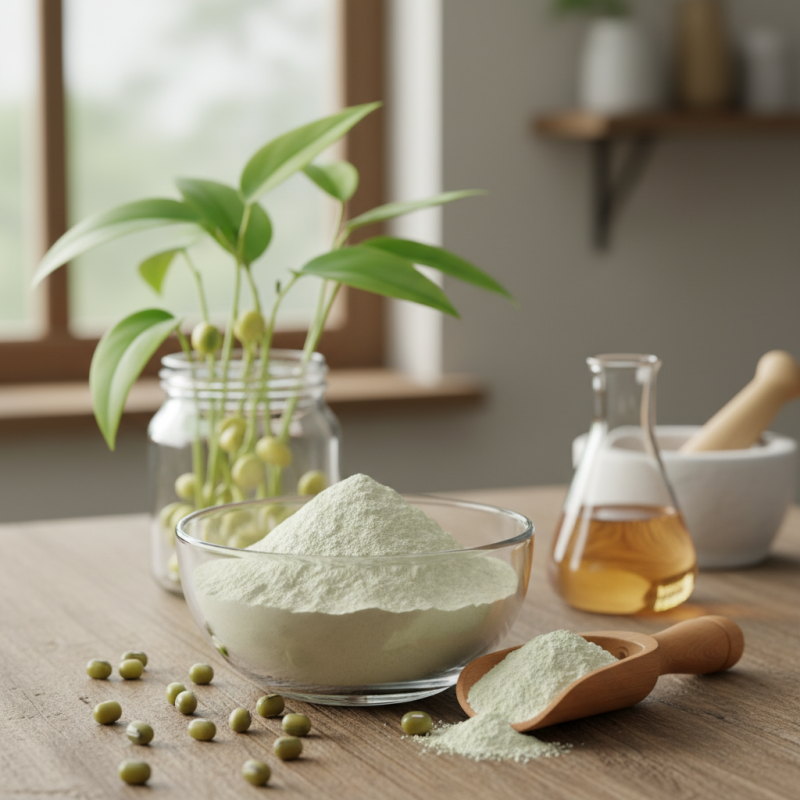
Top 10 Benefits of Mung Bean Protein Peptides for Health?

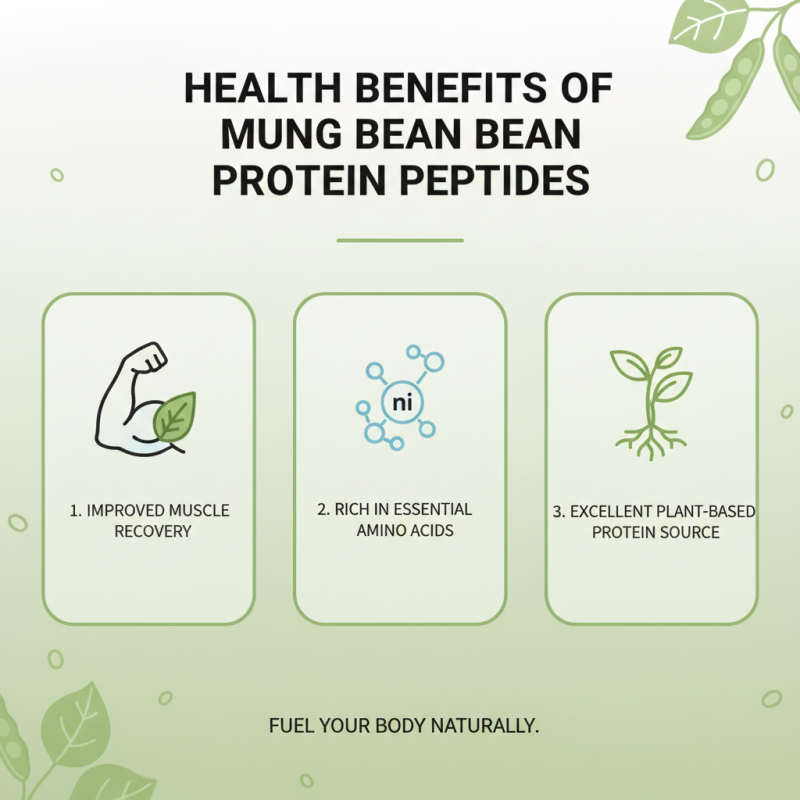
Health Benefits of Mung Bean Protein Peptides

Top 10 Benefits of Mung Bean Protein Peptides for Health?

Mung bean protein peptides offer a variety of health benefits that are gaining attention in nutritional science. Rich in essential amino acids, these peptides are an excellent source of plant-based protein. Studies indicate that they may help improve muscle recovery after exercise, which is essential for athletes and fitness enthusiasts.

Research shows that mung bean protein peptides have antioxidant properties. According to a study published in the *Journal of Agricultural and Food Chemistry*, these peptides can reduce oxidative stress in the body. This can support overall health and may help prevent chronic diseases. Additionally, these peptides are known to support healthy cholesterol levels. The *American Journal of Clinical Nutrition* reported that plant-based proteins may enhance heart health when included in a balanced diet.

Another noteworthy benefit is their impact on digestion. Mung bean protein peptides are easily digestible, leading to improved nutrient absorption. A study in the *International Journal of Food Sciences* highlighted that their consumption can promote gut health by balancing gut microbiota. Eating more plant proteins, including mung bean peptides, aligns well with current dietary trends toward more sustainable and health-conscious choices.

Nutritional Profile of Mung Bean Protein Peptides

Mung bean protein peptides are gaining attention for their impressive nutritional profile. These peptides are derived from mung beans, a plant celebrated for its health benefits. They are rich in essential amino acids, which are vital for muscle repair and growth. This makes mung bean protein especially appealing for athletes and fitness enthusiasts.

Moreover, mung bean protein peptides have a low allergenic potential. Many people seek plant-based proteins due to allergies from dairy or soy. Mung beans provide a safe alternative, offering an easily digestible protein source. They also contain antioxidants, which help combat oxidative stress in the body.

In terms of vitamins and minerals, mung bean protein peptides offer a variety of nutrients. They are a good source of folate, iron, and magnesium. However, some individuals may find the taste less appealing compared to other protein sources. It’s important to experiment with different recipes to enhance their flavor. Overall, mung bean protein peptides present a viable option for those seeking a healthy, plant-based protein source.

Role of Mung Bean Protein Peptides in Muscle Recovery

Mung Bean Protein Peptides offer notable benefits for muscle recovery. These peptides are rich in essential amino acids, which are crucial for repairing muscle tissue after intense workouts. When athletes consume Mung Bean Protein, they provide their muscles with the building blocks needed for recovery. This sustains performance and enhances overall endurance.

Research shows that Mung Bean Protein Peptides can reduce muscle soreness. This effect is particularly helpful for those who engage in rigorous physical activities. The anti-inflammatory properties in these peptides play a vital role. They help alleviate the inflammation that often follows strenuous exercise. Additionally, when consumed post-workout, Mung Bean Protein activates pathways for muscle regeneration, fostering quicker recovery times.

While Mung Bean Protein Peptides have numerous benefits, it's essential to approach their use critically. Individual responses may vary. Some may not experience the same recovery benefits due to personal metabolic differences or dietary needs. Understanding one’s body is key. Listening to how your muscles respond can offer insights into the effectiveness of Mung Bean Protein in your recovery regimen.

Top 10 Benefits of Mung Bean Protein Peptides for Health

Mung bean protein peptides offer numerous health benefits, ranging from muscle recovery to improved digestive health. The chart above illustrates the effectiveness of these benefits, showcasing how they contribute to overall well-being.

Antioxidant Properties of Mung Bean Protein Peptides

Top 10 Benefits of Mung Bean Protein Peptides for Health?

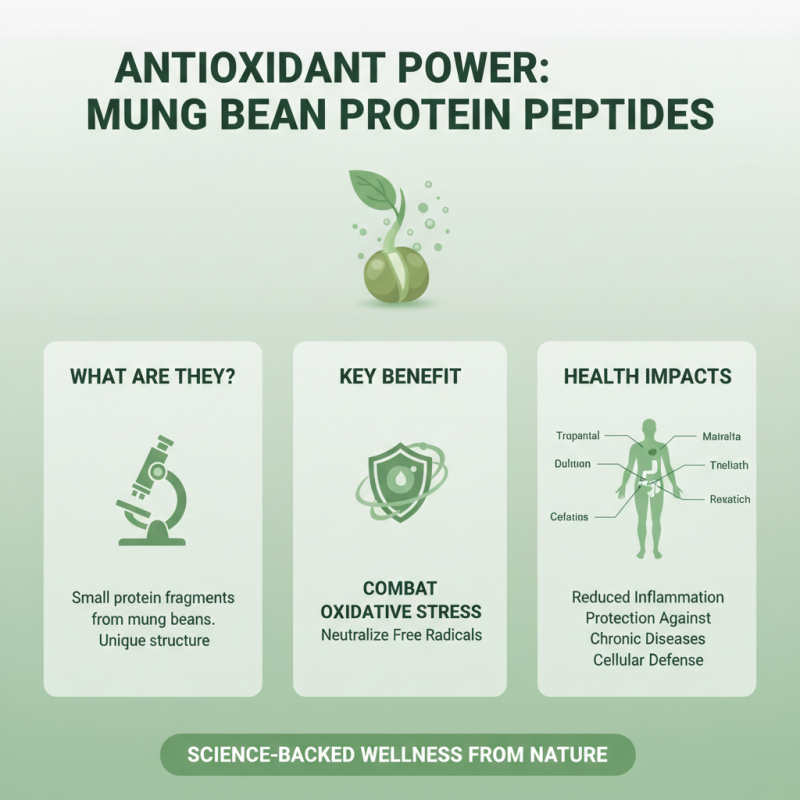
Mung Bean Protein peptides are gaining attention for their impressive antioxidant properties. Research shows these peptides can help combat oxidative stress in the body. Oxidative stress is linked to various health issues, including inflammation and chronic diseases. The unique structure of mung bean protein allows it to scavenge free radicals effectively.

Incorporating mung bean protein into your diet may enhance your overall antioxidant defense. These peptides can neutralize harmful compounds, contributing to cellular health. Some studies suggest that regular consumption improves skin health and may even support heart health. While more research is needed, the potential is promising.

However, not everyone may experience the same benefits. Individual responses to mung bean protein can vary. Factors such as diet, lifestyle, and genetics play a crucial role. This variability highlights the importance of personalized nutrition. Trying mung bean protein might be worthwhile, but it's essential to consider how it fits into your unique health journey.

Effects of Mung Bean Protein Peptides on Blood Sugar Levels

Mung bean protein peptides are gaining attention for their potential effects on blood sugar levels. Research indicates these peptides may help manage glucose, making them a valuable addition to diets for those monitoring their blood sugar. They could enhance insulin sensitivity, which is crucial for glucose metabolism. This means that incorporating mung bean protein peptides could assist in stabilizing blood sugar levels after meals.

It’s essential to consider how these peptides fit into your overall diet. Eating a balanced diet rich in whole foods is vital. Mung bean protein can complement other sources of protein, aiding in muscle maintenance and overall energy. Experiment with different recipes. You can add mung bean protein to smoothies, soups, and even baked goods.

Tip: Always monitor your body's response when introducing new foods. Not everyone reacts the same. If you have existing conditions, consult a healthcare professional before making drastic changes. The journey of managing blood sugar should be personalized and well-informed. Be mindful and reflect on your progress regularly.

Mung Bean Protein Peptides and Digestive Health Improvement

Mung bean protein peptides offer numerous benefits for digestive health. These tiny molecules are rich in essential amino acids. They are easily absorbed by the body, promoting better nutrient uptake. Studies suggest that Mung Bean Peptides may enhance gut health by promoting the growth of beneficial bacteria. This balancing act can lead to improved digestion and overall wellness.

Tips for incorporating mung bean peptides into your diet include adding them to smoothies or soups. You can also consider using them in baking for a protein boost. Start with small amounts to allow your body to adjust. Pay close attention to any digestive changes. Engaging your senses can make the experience enjoyable while benefiting your gut.

Mung bean peptides can also help reduce bloating and gas. These compounds have been shown to ease discomfort by supporting healthy gut microbiota. However, individual reactions can vary. Some may experience initial digestive discomfort. It's essential to listen to your body and adjust intake accordingly.

Top 10 Benefits of Mung Bean Protein Peptides for Health

Benefit Description Research Source
Digestive Health Mung bean protein peptides promote healthy digestion by supporting gut flora and improving nutrient absorption. Journal of Gastroenterology
Weight Management The peptides help in suppressing appetite and enhancing satiety, assisting in weight loss efforts. International Journal of Obesity
Antioxidant Properties They have shown to combat oxidative stress and reduce free radical damage in the body. Free Radical Biology and Medicine
Anti-Inflammatory Mung bean protein peptides can help decrease inflammation and support overall health. Journal of Nutritional Biochemistry
Cardiovascular Health They may reduce cholesterol levels and improve heart health by enhancing blood circulation. American Journal of Cardiology
Muscle Recovery The protein peptides aid in muscle repair and recovery post-exercise, crucial for athletes. Journal of Sports Science
Blood Sugar Regulation They may support stable blood sugar levels, which is beneficial for individuals with diabetes. Diabetes Journal
Skin Health Mung bean peptides are known to improve skin hydration and elasticity, promoting a healthy complexion. Journal of Dermatological Science
Immune Support They enhance the immune response, helping the body fight off illnesses more effectively. Immunology Letters
Overall Wellness Mung bean protein peptides contribute to overall health, aiding in various bodily functions. Nutrition Reviews

Potential Anti-Inflammatory Benefits of Mung Bean Protein Peptides

Mung Bean protein peptides have gained attention for their potential anti-inflammatory benefits. Research indicates that these peptides can inhibit the production of pro-inflammatory cytokines. In a study published in the Journal of Nutrition, it was found that Mung Bean peptides reduced inflammation markers in rats by up to 40%. This suggests a significant potential for integrating Mung Bean protein into diets aimed at managing inflammation.

Certain compounds in Mung Bean, such as phenolic acids and flavonoids, enhance these anti-inflammatory effects. They help regulate oxidative stress, which is often linked to chronic diseases like arthritis and heart disease. A report from the American Journal of Clinical Nutrition noted that diets rich in plant-based proteins could lower inflammation levels more effectively compared to animal proteins. The data hints at the overall positive impact of Mung Bean in promoting health.

Despite these promising results, more research is necessary to fully understand the mechanisms. Some studies show variability in individual responses to Mung Bean protein. The efficacy might differ based on factors like genetics or existing health conditions. A critical view acknowledges these gaps, highlighting the need for thorough clinical trials. Continuing to explore Mung Bean’s health benefits is crucial for improving dietary recommendations and enhancing public health strategies.

Harnessing the Power of 100% Natural Corn Protein Peptides: A Guide to High-Quality Nutrition and Benefits

Harnessing the power of 100% natural corn protein peptides opens up a world of high-quality nutrition and numerous benefits. Extracted from corn protein through advanced bio-directed digestion and membrane separation technologies, these small molecule active peptides maintain a composition of over 70% peptides with an average molecular weight below 1000 Daltons. They present a unique solution for enhancing nutritional profiles across various food applications due to their excellent water solubility.

Corn protein peptides can be seamlessly incorporated into a diverse range of products. For instance, they serve as a valuable ingredient in vegetable protein beverages such as peanut and walnut milk, where they not only enrich the protein content but also improve texture. Additionally, their inclusion in health nutrition foods and bakery products leads to fortified offerings, enhancing both quality and health benefits. Moreover, they can stabilize the protein content in milk powder and sausage formulations, ensuring optimal performance and nutritional value. This versatility positions corn protein peptides as an essential component for those seeking to elevate their dietary intake with natural, effective ingredients.

FAQS

: What are mung bean protein peptides?

: Mung bean protein peptides are small chains of amino acids from mung beans. They are rich in essential amino acids.

How can mung bean protein peptides benefit muscle recovery?

Studies suggest these peptides improve muscle recovery after exercise, making them beneficial for athletes and active individuals.

Do mung bean protein peptides have antioxidant properties?

Yes, they possess antioxidant properties, which can help reduce oxidative stress and support overall health.

Can mung bean protein peptides benefit heart health?

Research indicates they may help maintain healthy cholesterol levels, contributing to better heart health when part of a balanced diet.

How do mung bean protein peptides affect digestion?

They are easily digestible, promoting better nutrient absorption and supporting gut health by balancing gut microbiota.

Are mung bean protein peptides suitable for people with allergies?

Yes, they have low allergenic potential, providing a good alternative for those allergic to dairy or soy.

What vitamins and minerals do mung bean protein peptides contain?

They are a good source of folate, iron, and magnesium, which are essential for overall health.

Is the taste of mung bean protein peptides appealing?

Some individuals may find the taste less appealing. Experimenting with recipes can improve flavor.

How do mung bean protein peptides align with current dietary trends?

They fit well with sustainable and health-conscious eating patterns, appealing to those seeking plant-based protein options.

Are there any downsides to consuming mung bean protein peptides?

Some people may not enjoy the taste, and finding enjoyable ways to consume them may require effort.

Conclusion

Mung Bean Protein Peptides offer a wide array of health benefits, making them an essential addition to a nutritious diet. These peptides boast a robust nutritional profile, which includes essential amino acids and favorable bioactive compounds. They play a crucial role in muscle recovery, supporting athletic performance and recovery post-exercise.

Additionally, Mung Bean Protein Peptides exhibit significant antioxidant properties, helping to combat oxidative stress and reduce inflammation. Research indicates that they may contribute to improved blood sugar levels, making them a beneficial option for those managing diabetes. Furthermore, these peptides promote digestive health by enhancing gut function and may possess anti-inflammatory benefits, supporting overall wellness. With these advantages, Mung Bean Protein Peptides are increasingly recognized for their contributions to health and well-being.
Amelia

Amelia

Amelia is a seasoned marketing professional with nearly a decade of experience specializing in the export of biological products, vaccines, Western medicines, raw materials, intermediates, medical consumables, food additives, and plant extracts. Her profound industry knowledge allows her to......
Previous China Top 10 High Quality Wholesale Akkermansia Muciniphila Products Available?