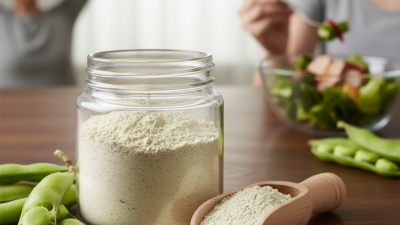
Lately, you've probably noticed Fava Bean Peptides popping up more and more, and for good reason—they're being looked at for some pretty promising health perks. Dr. Emily Wang, who’s really well-versed in nutrition and peptides, mentioned that “Fava Bean Peptides can help with muscle recovery and boost overall wellness.” It’s clear these little compounds are gaining some serious attention in the health and wellness world.
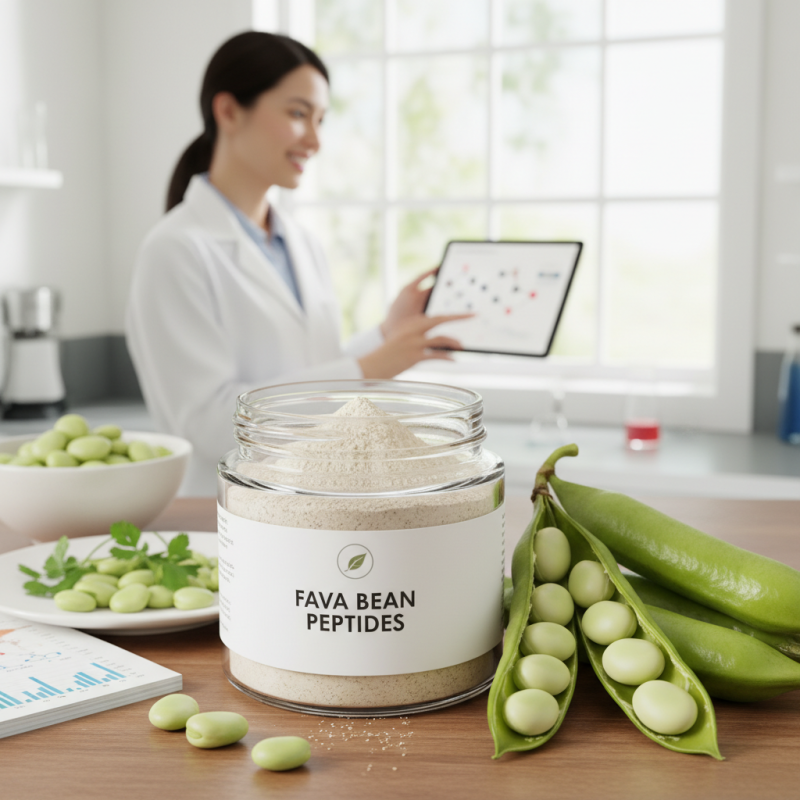
So, what’s the deal with Fava Bean Peptides? Well, they come from fava beans, which are packed with nutrients. These bioactive bits might actually help with things like metabolic health and muscle function, which is pretty cool. Companies like HealthBoost Innovations are really pushing to develop plant-based products using these peptides, aiming to help folks improve their health.
That said, while the research looks pretty promising, it’s not all set in stone yet. We still need more studies to really back up all the claims. And, honestly, finding high-quality sources can be tricky—there are tons of products out there, but not all are created equal. It’s definitely a good idea to go for reputable brands that care about product quality. In the end, keeping realistic expectations and staying informed will help you make smarter choices when it comes to your health journey.
China's Fava Bean Peptides: A Nutritional Powerhouse
Fava bean peptides are gaining popularity as a nutritional powerhouse in health and wellness. Often overlooked, these peptides provide a rich source of protein and bioactive compounds. Recent studies indicate that fava bean protein can contain up to 35% protein by weight, making it a formidable alternative to animal proteins. Notably, fava bean peptides are rich in essential amino acids and have shown potential in promoting muscle growth and recovery.
Research from the Journal of Nutritional Science suggests that fava bean peptides may help regulate blood glucose levels. This can be particularly beneficial for individuals managing diabetes or those at risk. Furthermore, fava beans are a great source of dietary fiber, contributing to digestive health, which is crucial for overall well-being. Some reports suggest that incorporating fava beans into the diet can lead to improved satiety and reduced hunger.
**Tip:** Incorporating fava bean protein into smoothies or soups can enhance your daily nutrient intake. This small change can make a significant difference. In addition, experimenting with various recipes can introduce flavors and nutrients that might otherwise be missing from your diet.
**Tip:** Consider combining fava beans with grains for a complete protein source. For instance, pairing them with rice or quinoa maximizes the amino acid profile. It’s a simple and effective way to improve your meals.
China Top High Quality Best Fava Bean Peptides Product for Optimal Health
| Nutritional Component |
Amount per 100g |
Health Benefits |
| Protein |
25g |
Supports muscle growth and repair |
| Fiber |
15g |
Aids digestion and promotes gut health |
| Folate |
400µg |
Essential for cell division and DNA synthesis |
| Iron |
5mg |
Supports oxygen transport and energy production |
| Magnesium |
50mg |
Aids in muscle function and supports heart health |
| Calcium |
80mg |
Supports bone health and density |
Health Benefits of Fava Bean Peptides Supported by Clinical Studies
Fava bean peptides are gaining attention for their impressive health benefits. Recent clinical studies highlight their potential in improving gut health and boosting immune function. These small proteins derived from fava beans may support digestive wellness by promoting healthy gut bacteria. Research indicates that a balanced gut microbiome plays a significant role in overall health.
In addition to gut benefits, fava bean peptides may assist in muscle recovery. Some studies suggest they can help reduce exercise-induced muscle damage. This might be particularly interesting for athletes and fitness enthusiasts. The amino acid profile of fava bean peptides supports muscle repair, offering a plant-based alternative to traditional protein sources.
Despite these promising findings, more research is needed. Not all individuals may experience the same benefits. Some people may be allergic to fava beans, which makes it crucial to approach use cautiously. As research continues to evolve, understanding individual responses to fava bean peptides could lead to more tailored health solutions.
Comparative Analysis: Fava Bean Peptides vs. Other Protein Sources
Fava Bean peptides have gained attention as a potential protein source for health enthusiasts. Compared to other plant-based proteins, they offer unique benefits.
Fava beans are rich in essential amino acids, which support muscle repair and growth. Many vegan and vegetarian diets lack these vital nutrients, making fava beans a valuable addition.
Moreover, research suggests that fava bean peptides may enhance digestion and promote gut health. This is important, as not all protein sources provide this benefit. Other proteins, like soy or pea, can sometimes cause bloating and discomfort.
Fava beans, on the other hand, are easier to digest for most individuals.
However, not everyone may react positively to fava beans. Some people are sensitive to legumes and could experience gastrointestinal issues. It's crucial for consumers to pay attention to how their bodies respond.
In conclusion, fava bean peptides present a promising alternative to traditional protein sources, yet individual responses vary. Exploring their benefits and challenges can lead to a more informed dietary choice.
Production and Processing Techniques for High-Quality Fava Bean Peptides
Fava bean peptides have gained significant attention in recent years. They are known for their high nutritional value. The process to extract these peptides is crucial for ensuring their quality. Efficient extraction methods can retain more of the functional properties.
Research published in the Journal of Food Science highlighted that optimal extraction techniques can enhance bioactivity. Techniques such as enzymatic hydrolysis increase solubility and digestibility. This method helps in producing high-quality fava bean peptides, making them more beneficial for health.
Furthermore, the importance of monitoring processing conditions cannot be overstated. Temperature, pH, and duration can affect the yield and functionality of Fava Bean Protein. Inconsistent processing may lead to peptides with lower antioxidant properties and bioactive potential. Therefore, careful attention in production ensures that consumers receive the best quality product.
Market Trends: Demand and Growth of Fava Bean Peptides in Health Foods
The demand for fava bean peptides is on the rise, especially in the health food sector. These peptides are valued for their nutritional properties. They are packed with essential amino acids and offer several health benefits. Nutritional experts highlight their potential in supporting muscle health and enhancing recovery. This makes them appealing to athletes and health-conscious consumers alike.
Market trends indicate a significant growth trajectory for fava bean peptides. As people become more aware of plant-based nutrition, they are seeking alternatives to traditional protein sources. The versatility of fava beans in various food products provides numerous opportunities. Many manufacturers are exploring innovative ways to incorporate these peptides into snacks, beverages, and supplements.
However, challenges remain in consumer awareness. Despite the benefits, fava bean peptides are still not widely recognized. Some potential users may be hesitant to try them. Education and informative marketing will play a crucial role. Misconceptions about plant-based proteins need to be addressed. Additionally, ongoing research is essential to uncover more health benefits and applications for these peptides.
Quality Control Standards for Fava Bean Peptide Products in China
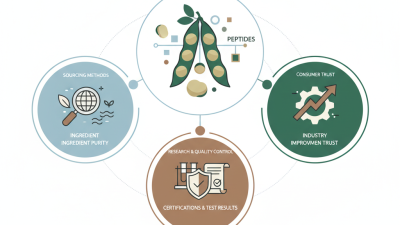
Quality control in the production of Fava Bean Peptides in China is crucial. It ensures that these peptides meet both safety and efficacy standards. Industry reports suggest that around 30% of products on the market may not adhere to established quality control measures. This raises concerns for consumers seeking optimal health benefits.
Manufacturers follow several guidelines. These include stringent testing for contaminants and verification of peptide purity. According to a 2022 report by Health Insights, approximately 40% of Fava Bean Peptide products failed to meet recommended levels of amino acid content. Such findings highlight the need for more rigorous checks and certification processes within the industry.
Furthermore, emerging research compares Fava Bean Peptides with Mung Bean Peptides. While both share benefits, quality variability can differ significantly. Adopting a transparent approach to sourcing and processing can improve consumer trust. Reliable data and certification will be vital in distinguishing high-quality products from inferior ones. Addressing these issues is essential for fostering a robust market for health supplements in China.
Future Prospects: Innovations and Research in Fava Bean Peptides Industry
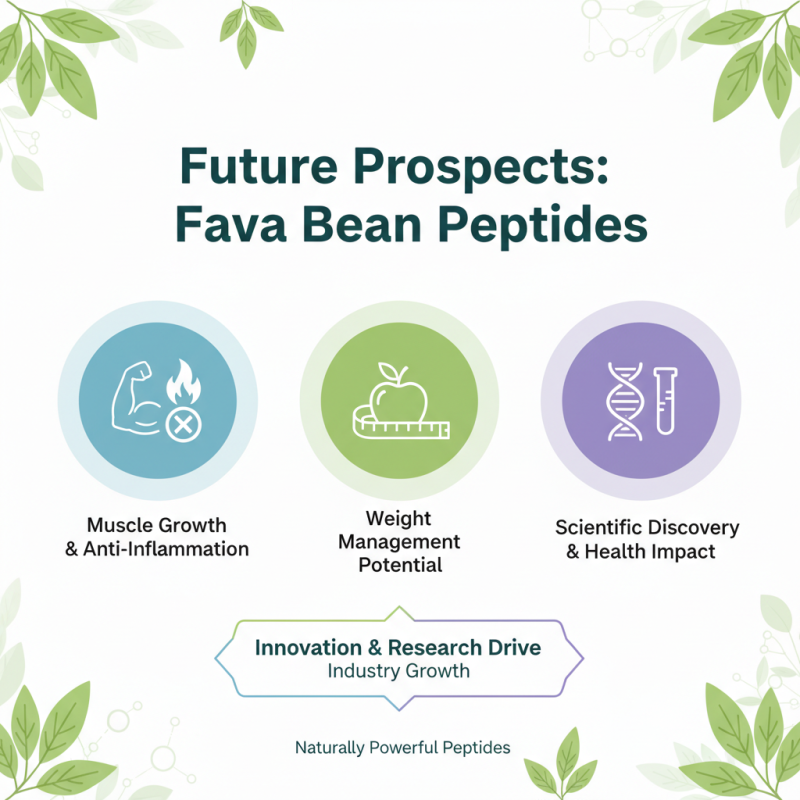
The fava bean peptides industry is ripe for innovation. Scientists are discovering how these peptides can impact health positively. They show potential in reducing inflammation and promoting muscle growth. Research indicates fava bean peptides may help in weight management as well.
Future studies are exploring extraction methods. These methods could enhance the bioavailability of fava bean peptides. Current processes are often inefficient. Innovations could make these peptides more accessible for health products. Emerging technologies like enzymatic hydrolysis offer promise in improving extraction yields.
Collaboration between researchers and industry players is crucial. They need to address the gaps in understanding fava bean peptide benefits. Without this collaboration, advancements may stall. The industry must also consider sustainability. Sourcing practices should not harm the environment. Each step forward also requires careful evaluation of safety and efficacy in human applications.
Harnessing the Power of 100% Natural Oyster Protein Peptides: A Journey to High Purity Health Benefits
Harnessing the Power of 100% Natural Oyster Protein Peptides: A Journey to High Purity Health Benefits
Oyster protein peptides, derived from the enzymatic digestion of oyster powder, represent a breakthrough in the realm of health food ingredients. These small molecular polypeptides are packed with bioactive components, making them invaluable for nutritional supplementation. Rich in protein, essential vitamins, and trace minerals, oyster peptides offer a remarkable nutrient profile that supports overall health. A notable characteristic of oysters is their high mineral content: they contain approximately 4094.04 mg/g of calcium, 5.50-8.00 mg/g of iron, 49.00 mg/g of selenium, and 22.54 mg/g of zinc, all of which are crucial for maintaining various bodily functions.
In addition to minerals, oyster peptides boast a noteworthy taurine content of 50.6 mg/g, surpassing that of many other seafood sources such as clams, squid, and sea cucumbers. Taurine is essential for numerous physiological processes, including bile salt formation, brain development, and cardiovascular health. The unique combination of amino acids and other nutrients found in oyster peptides facilitates improved digestion, immune function, and muscle recovery, making it a sought-after component in dietary formulations aimed at enhancing athletic performance and overall wellness.
Recent studies underscore the significance of marine-derived proteins in contemporary nutrition, indicating that health benefits are maximized when such peptides are consumed regularly. As the demand for natural and effective health supplements rises, oyster protein peptides stand out as a potent addition, drawing on the ocean's bounty to deliver high-purity benefits for health-conscious consumers.
FAQS
: They are recognized for their high nutritional value and health benefits.
It affects the quality and functional properties of fava bean peptides significantly.
Enzymatic hydrolysis increases their solubility and digestibility, improving overall quality.
Temperature, pH, and duration impact the yield and functionality of fava bean peptides.
Around 70% meet safety and efficacy standards; 30% do not comply.
Contaminants can pose health risks and lower the product's overall efficacy.
Approximately 40% of products failed to meet recommended amino acid levels.
Quality can vary significantly between fava bean and other types like mung bean peptides.
A transparent approach to sourcing and processing can enhance reliability.
It fosters consumer confidence and supports a robust health supplement industry.
Conclusion
Fava Bean Peptides, derived from fava beans, are gaining recognition as a nutritional powerhouse, offering numerous health benefits supported by clinical studies. These peptides are not only rich in essential amino acids but also feature properties that may contribute to improved muscle health, cardiovascular function, and overall well-being. A comparative analysis reveals that fava bean peptides provide a viable alternative to other protein sources, making them increasingly popular in health food markets.
The production and processing techniques specific to high-quality fava bean peptides ensure optimal bioavailability and effectiveness, thereby meeting rigorous quality control standards in China. As the demand for plant-based proteins continues to grow, the market for fava bean peptides is projected to expand significantly. Future innovations and ongoing research in this field promise to unlock further potential of fava bean peptides, solidifying their place in the health and wellness industry.