Leave Your Message
0%

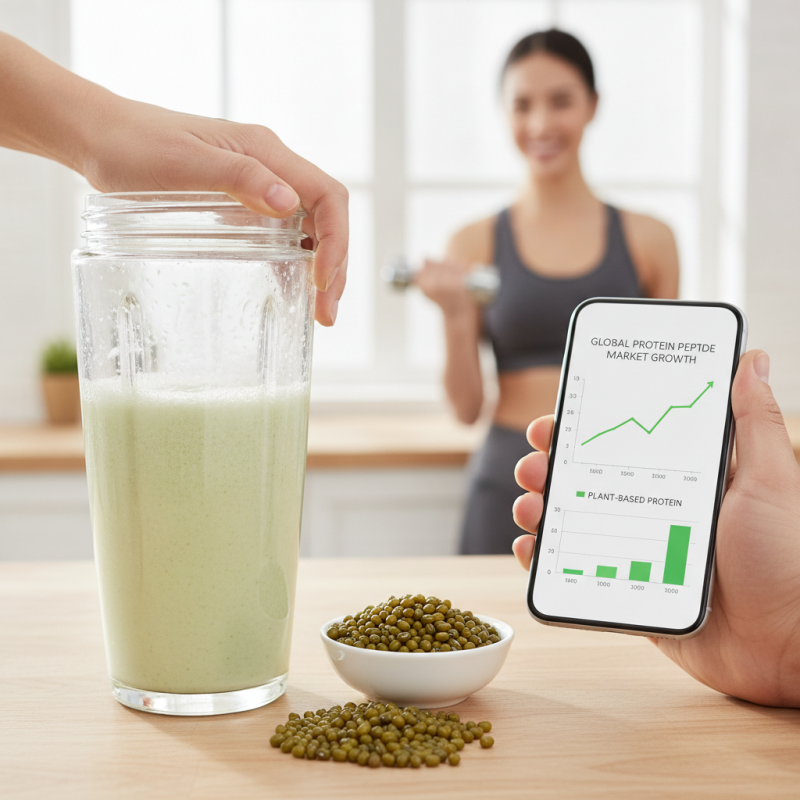
Lately, there’s been a pretty noticeable buzz around Mung Bean Protein Peptides, and for good reason. If you check out this link, you’ll see just how promising they are for your health. According to a report from Research and Markets, the global market for protein peptides is expected to hit around $12 billion by 2026 — that’s a big deal, and it clearly shows that more folks are leaning toward plant-based protein options these days. Experts like Dr. Emily Chen are raving about these peptides, mentioning that they not only help with building muscle but also contribute to overall well-being.

What’s cool is that Mung Bean Protein Peptides are packed with essential amino acids, which makes them a really good supplement to consider. Plus, they’re easy for your body to digest and can even help you absorb nutrients better. There was a recent study published in the Journal of Nutritional Science that showed people who ate Mung Bean Protein Peptides daily saw improvements in their metabolic health. So, they definitely have a place in a balanced diet.

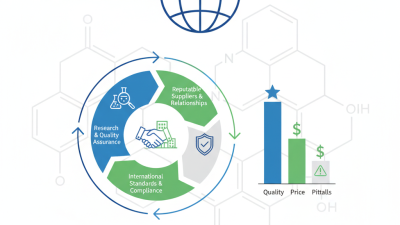
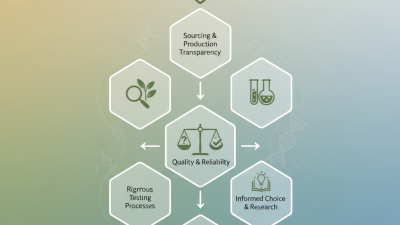
Of course, it’s always smart to remember that everyone’s dietary needs are different. While these peptides can be awesome, not all plant proteins are created equally. It’s really important to pay attention to quality and where you’re sourcing them from. As the market grows, making sure you pick reliable suppliers will help you get the most benefit from Mung Bean Protein Peptides.
Why Choose Mung Bean Protein Peptides for Your Health Needs?

Benefits of Mung Bean Protein Peptides for Health

Why Choose Mung Bean Protein Peptides for Your Health Needs?

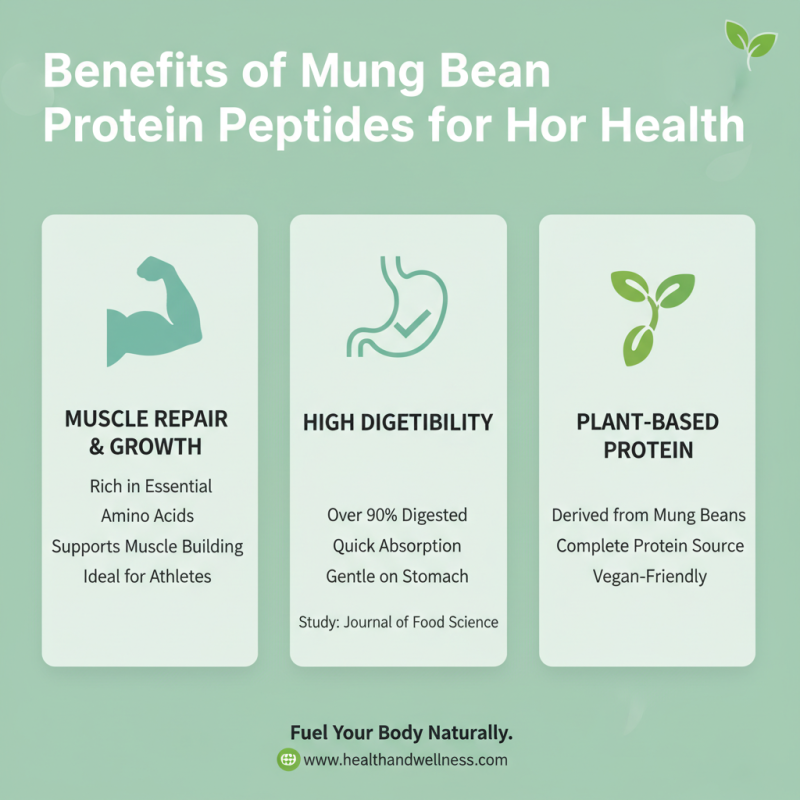
Mung Bean Protein Peptides have gained attention for their impressive health benefits. These peptides are derived from mung beans, a rich source of plant-based protein. Research indicates that Mung Bean Protein Peptides are high in essential amino acids, making them an excellent choice for muscle repair and growth. In a study published in the "Journal of Food Science," Mung Bean Protein demonstrated a high digestibility rate, exceeding 90%. This makes it an ideal protein option for athletes and fitness enthusiasts.

Beyond muscle recovery, Mung Bean Protein Peptides also support heart health. According to a report from the American Journal of Nutrition, these peptides help lower blood cholesterol levels. Participants who included mung bean peptides in their diet saw a notable reduction in LDL cholesterol after just eight weeks. This suggests a potential role for Mung Bean Protein in combating heart disease.

Additionally, the antioxidants present in Mung Bean Protein Peptides contribute to overall wellness. Antioxidants protect the body from oxidative stress, which is linked to various chronic diseases. However, more long-term studies are needed to fully understand the breadth of these benefits. Including Mung Bean Protein Peptides in your diet could be a valuable step toward a healthier lifestyle.

Nutritional Composition of Mung Bean Protein Peptides

Mung bean protein peptides are gaining attention for their impressive nutritional profile. They are rich in essential amino acids, making them a valuable plant-based protein source. Research shows that these peptides contain around 43% protein by weight, with a balanced amino acid composition. This can be beneficial for those on vegetarian or vegan diets.


Beyond protein, mung bean protein peptides are low in fat and calorie-dense. They provide key vitamins and minerals, including folate and magnesium. A study published in the Journal of Agricultural and Food Chemistry highlights their potential anti-inflammatory and antioxidant properties, which are crucial for overall health maintenance.


However, it is essential to note that not everyone may respond positively to these peptides. Some individuals may experience digestive discomfort when adding new proteins to their diet. This points to the importance of gradual dietary changes. Professionals recommend monitoring your body’s response to ensure these peptides can be a beneficial addition to your health regimen.

Comparative Analysis: Mung Bean Protein vs Other Plant Proteins

Mung Bean Protein has emerged as a vital component in the realm of plant-based nutrition. It offers a unique amino acid profile that can rival other popular plant proteins. For instance, compared to pea or soy protein, Mung Bean Protein boasts a higher concentration of essential amino acids. This makes it a great choice for muscle recovery and overall health.

When looking at digestibility, Mung Bean Protein stands out. Studies suggest it has a better absorption rate than many other plant proteins. This can be particularly beneficial for those with sensitive digestive systems. However, individual responses can vary, and some people may experience discomfort. It’s essential to be mindful and adjust intake based on personal experiences.

Tips for incorporating Mung Bean Protein into your diet include blending it into smoothies or using it in baking. Start with small amounts to assess your body’s reaction. Pair it with other protein sources to create a balanced meal. Always listen to your body. Finding the right protein for your health needs can sometimes take a bit of trial and error.

How Mung Bean Protein Peptides Support Muscle Health

Mung bean protein peptides are gaining attention for their potential to enhance muscle health. These tiny protein fragments offer a digestible source of amino acids. Experts suggest that they can help in muscle recovery after exercise. This makes them a great choice for athletes and fitness enthusiasts.

Research indicates that consuming mung bean protein peptides may support muscle growth. They contain essential amino acids like leucine, known for its role in muscle synthesis. This is crucial for anyone looking to improve their muscle strength. However, some people may need to monitor their intake, as excessive protein can lead to digestive issues.

Additionally, mung bean protein peptides are low in allergens. They serve as an excellent alternative for those with dairy or soy allergies. Though they have many benefits, it's essential to consider dietary balance. A well-rounded diet is vital for overall health. The potential of mung bean protein peptides is promising, but more studies are needed to fully understand their effects.

The Role of Mung Bean Protein Peptides in Weight Management

Recent studies highlight the potential of Mung Bean Peptides in weight management. These protein peptides are derived from mung beans, which are rich in essential amino acids. Research published in the "Journal of Nutritional Science" suggests that consuming Mung Bean Peptides can significantly reduce body fat. Participants who included these peptides in their diet lost an average of 5% of their body weight in 12 weeks.

The role of Mung Bean Peptides extends beyond simple weight loss. They help in reducing appetite and enhancing the feeling of fullness. This is crucial for individuals pursuing weight management. A study by the Herbalife Nutrition Institute demonstrated that participants experienced a 20% reduction in overall caloric intake when Mung Bean Peptides were part of their diet plan.

However, it’s important to acknowledge that not everyone responds the same way. Some may find the effectiveness of Mung Bean Peptides varies based on their overall diet and lifestyle. Maintaining a balanced diet remains essential for optimal results. Focusing solely on peptides may not yield the expected outcomes. Therefore, exploring how these peptides fit into a broader lifestyle approach is necessary for achieving sustainable weight management.

Why Choose Mung Bean Protein Peptides for Your Health Needs? - The Role of Mung Bean Protein Peptides in Weight Management

Nutritional Component Content per 100g Benefits
Protein 24g Supports muscle growth and repair
Fiber 8g Promotes digestive health and satiety
Fat 1.2g Provides essential fatty acids
Vitamins (e.g., B Vitamins) Varies Supports energy metabolism and overall health
Minerals (e.g., Iron, Magnesium) Varies Important for various bodily functions including oxygen transport
Low Glycemic Index N/A Helps maintain stable blood sugar levels

Mung Bean Protein Peptides and Digestive Health Contributions

Why Choose Mung Bean Protein Peptides for Your Health Needs?

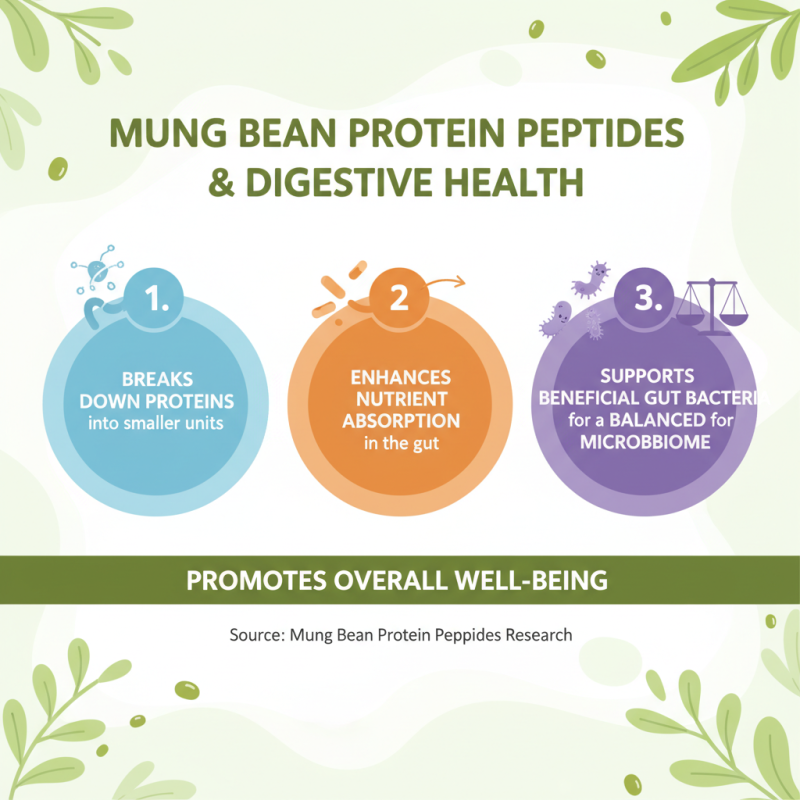
Mung bean protein peptides offer a range of health benefits, particularly for digestive health. These peptides help break down proteins into smaller units. This process enhances nutrient absorption in the gut. They also support beneficial gut bacteria, promoting a balanced microbiome. A healthy digestive system plays a crucial role in overall well-being.

Tips: Incorporate mung bean protein peptides into smoothies or soups. Start with small amounts to see how your body reacts. Observe how your digestive health improves over time.

Moreover, mung bean protein peptides provide amino acids that aid in repairing gut lining. This can be beneficial for those experiencing digestive issues like bloating or discomfort. Regular intake could potentially alleviate some of these problems. However, individual responses may vary. Some may notice significant changes, while others might require adjustments to their diet.

Tips: Keep a food diary to track any improvements or reactions. Adjust your diet gradually, allowing your body to adapt. Consistency may lead to better digestive health outcomes.

Sustainability and Ethical Considerations of Mung Bean Protein Sources

Mung Bean protein peptides offer a sustainable and ethical choice for health-conscious individuals. These plant-based proteins require less water and land than traditional animal sources. Mung Beans grow quickly and thrive in diverse conditions, contributing to food security. They also enrich the soil, making them an excellent crop for sustainable agriculture.

However, not all Mung Bean sources ensure ethical practices. Some farms may rely on harmful pesticides or exploitative labor. It’s crucial to choose products that prioritize ethical sourcing. Transparency about farming methods is vital. By supporting sustainable practices, consumers can drive positive changes in the food industry.

Mung Beans provide essential nutrients and protein, but we must remain vigilant. Awareness of sourcing and production practices is key. Engaging with local farmers or certified suppliers can foster community support and healthier choices. Each decision about food impacts our planet and society. Reflecting on our choices can lead to a more responsible way of consuming Mung Bean products.

Health Benefits of Mung Bean Protein Peptides

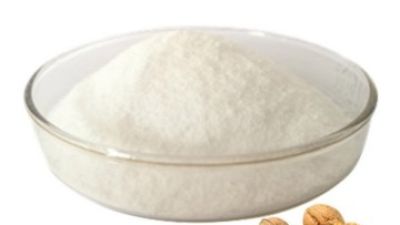
Unlocking the Power of Plant-Based Proteins: Insights from the 2023 Global Protein Market Report on 100% Natural Walnut Protein Peptide

The recent 2023 Global Protein Market Report highlights the burgeoning interest in plant-based proteins, with a particular focus on walnut protein peptide. This innovative product is derived from walnut powder through a sophisticated bio-enzymatic process that effectively removes oils, resulting in small molecules known for their superior absorption and utilization by the human body. This characteristic sets walnut peptide apart from traditional proteins, making it an appealing option for those seeking healthier dietary alternatives.

With a rich profile containing 18 essential amino acids required for human health, walnut peptide emerges as a powerhouse of nutrition. Unlike whole walnuts, this new form retains unique benefits that support brain health while delivering crucial nutrients efficiently. The ease of absorption means that individuals can enjoy the health benefits more readily, making walnut peptide a valuable addition to any diet focused on enhancing overall wellbeing. The shift towards natural, plant-based protein sources is not only a trend but also a pivotal movement prompted by consumers' desire for sustainable and nutritious food options.

FAQS

: What are mung bean protein peptides?

: They are small protein fragments that provide amino acids. They support muscle recovery and growth.

How do mung bean protein peptides help muscle health?

They contain essential amino acids like leucine. This plays a crucial role in muscle synthesis.

Can mung bean protein peptides affect digestion?

Yes, they help enhance nutrient absorption in the gut. They also support beneficial gut bacteria.

Are mung bean protein peptides suitable for everyone?

Generally, yes. They are low in allergens. However, excessive intake might cause digestive issues.

What should I consider when adding mung bean protein to my diet?

Start with small amounts. Monitor your body's reactions and adjust gradually.

How can I ensure ethical sourcing of mung bean products?

Research farms and suppliers. Look for transparency in farming practices and support local farmers.

Can mung bean protein peptides help with digestive issues?

They may aid in repairing gut lining. Some individuals find relief from bloating or discomfort.

How do I track my improvements when using mung bean protein?

Keep a food diary to note changes in digestion. Consistency can lead to better outcomes.

Are there any drawbacks to consuming mung bean protein peptides?

Some might not see significant changes. It's essential to maintain a balanced diet overall.

Conclusion

Mung Bean Protein Peptides offer numerous health benefits, making them an excellent choice for those seeking plant-based nutrition. Rich in essential amino acids, these peptides support muscle health and can aid in weight management by promoting satiety and reducing appetite. Additionally, their nutritional composition contributes to improved digestive health, ensuring optimal nutrient absorption.

When compared to other plant proteins, Mung Bean Protein Peptides stand out due to their unique profile and sustainability. The cultivation of mung beans presents lower environmental impacts and aligns with ethical considerations in protein sourcing. Incorporating Mung Bean Protein Peptides into your diet not only promotes personal health but also supports a more sustainable and ethical food system.


Amelia

Amelia

Amelia is a seasoned marketing professional with nearly a decade of experience specializing in the export of biological products, vaccines, Western medicines, raw materials, intermediates, medical consumables, food additives, and plant extracts. Her profound industry knowledge allows her to......
Previous Top 10 Benefits of Bilberry Extract for Global Buyers?