Leave Your Message
0%

Have you ever heard of [Diclofenac Sodium](https://www.jxserum.com/diclofenac-sodium)? It’s a pretty well-known NSAID—kind of a staple for helping with pain relief. Dr. Emily Parker, who’s a leading pharmacologist over at Pain Management Solutions, once said that "Diclofenac Sodium has truly changed the game in treating inflammation and pain." And honestly, a lot of healthcare pros rely on it because it hits right at the source of the discomfort.

So, how does it work? Basically, it blocks some enzymes called cyclooxygenases (or COX for short), which normally crank out inflammatory chemicals. That means folks often see good relief from conditions like arthritis or sudden injuries. But it’s not all smooth sailing; there are some things to watch out for. Some people might experience stomach issues or, in rare cases, cardiovascular side effects.

Figuring out how and when to use Diclofenac Sodium isn’t just about knowing the drug—it really calls for a professional’s touch. You gotta weigh the benefits against the possible risks, especially since everyone’s different. That’s why it’s super important to have a doctor or pharmacist guide you through it—it’s not just about the medication itself but how it fits into each person’s unique situation.

What is Diclofenac Sodium and How Does It Work?

What is Diclofenac Sodium?

What is Diclofenac Sodium and How Does It Work?

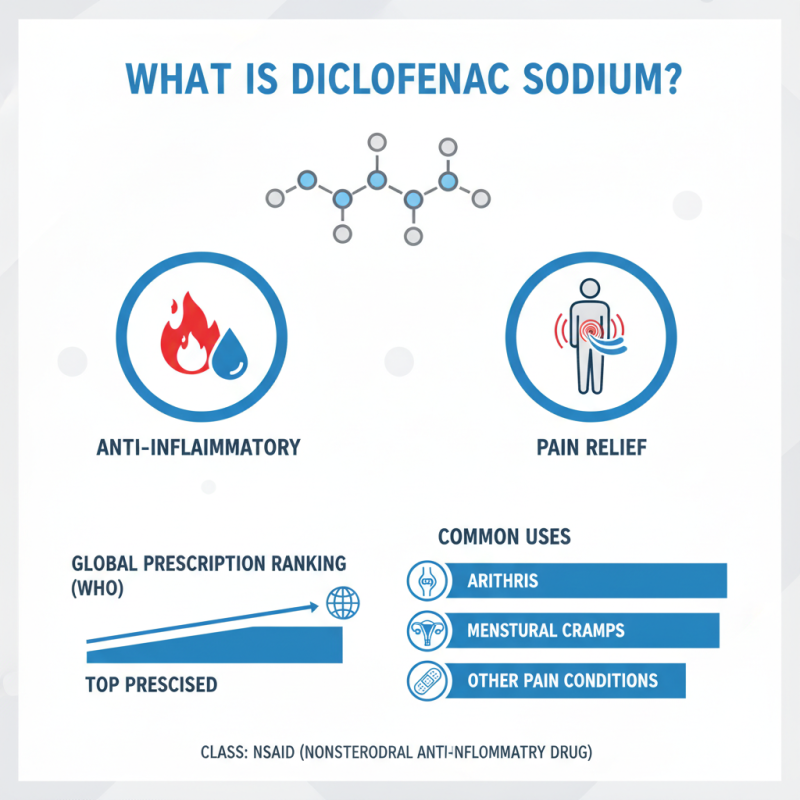
Diclofenac sodium is a widely used nonsteroidal anti-inflammatory drug (NSAID). It helps relieve pain and inflammation by inhibiting enzymes that produce pro-inflammatory compounds. According to a report by the World Health Organization, it is one of the most prescribed medications globally for managing pain related to arthritis, menstrual cramps, and other conditions.

The mechanism of diclofenac sodium is centered around its action on cyclooxygenase (COX) enzymes. By blocking COX-1 and COX-2, it reduces the formation of prostaglandins, which mediate inflammation and pain. A study published in the Journal of Pain Research noted that patients using diclofenac reported significant pain relief within hours of administration. However, while effective, it is essential to consider potential side effects, including gastrointestinal issues and cardiovascular risks. A reflective approach is necessary for any treatment plan.

Even with its benefits, diclofenac sodium is not suitable for everyone. It requires careful consideration, especially for individuals with pre-existing conditions. The need for ongoing research remains critical, as some reports suggest alternative therapies could also provide effective pain relief with fewer side effects. Exploration of this area continues to expand, highlighting the importance of staying informed.

Chemical Composition and Properties of Diclofenac Sodium

Diclofenac sodium is a widely used non-steroidal anti-inflammatory drug (NSAID). This compound boasts a complex chemical structure. Its molecular formula is C14H10Cl2NNaO2, highlighting its unique chlorine and sodium composition. This arrangement contributes to its effectiveness as an anti-inflammatory and analgesic. The solubility of diclofenac sodium in water is also notable, facilitating its absorption in the human body.


In pharmaceutical formulations, the bioavailability of diclofenac sodium plays a crucial role. Studies indicate that its absorption reaches up to 100% when taken orally. That’s why many healthcare providers opt for Diclofenac Sodium Tablets in pain management. These tablets effectively block the enzyme cyclooxygenase (COX), reducing the production of prostaglandins, which are responsible for inflammation and pain sensation.


However, the use of diclofenac sodium isn't without concerns. Some reports show potential risks, such as gastrointestinal issues and cardiovascular effects. While its efficacy in treating conditions like arthritis is well-documented, these side effects require careful consideration. Patients often reflect on their experiences with pain relief versus the risk of adverse effects. This underscores the importance of professional guidance when using diclofenac sodium tablets.

Mechanism of Action: How Diclofenac Sodium Works

Diclofenac sodium is a non-steroidal anti-inflammatory drug (NSAID). It is commonly used to relieve pain and reduce inflammation. Understanding its mechanism of action helps illuminate how it provides relief for various conditions.

Diclofenac sodium works primarily by inhibiting cyclooxygenase enzymes (COX-1 and COX-2). These enzymes play a crucial role in converting arachidonic acid into prostaglandins, which are compounds that promote inflammation, pain, and fever. By blocking these enzymes, diclofenac sodium reduces the amount of prostaglandins produced in the body. As a result, it helps ease pain associated with arthritis, menstrual cramps, and other inflammatory disorders.

The effectiveness of diclofenac sodium can vary from person to person. Individual responses may depend on factors such as genetics, dosage, and the severity of the condition being treated. While many experience significant relief, some may encounter side effects. It's essential to weigh the benefits against potential risks. Always consult a healthcare professional before starting any new medication. Understanding these nuances is vital for safe and effective use.

What is Diclofenac Sodium and How Does It Work? - Mechanism of Action: How Diclofenac Sodium Works

Feature Description
Chemical Class Non-steroidal anti-inflammatory drug (NSAID)
Common Uses Relief of pain, inflammation, and stiffness
Mechanism of Action Inhibition of cyclooxygenase (COX) enzymes, reducing prostaglandin synthesis
Administration Routes Oral, topical, injectable
Potential Side Effects Gastrointestinal issues, cardiovascular risks, liver function impairment
Contraindications Active peptic ulcer disease, severe heart failure, known hypersensitivity
Drug Interactions May interact with anticoagulants, other NSAIDs, and certain antihypertensives

Indications for Use: Conditions Treated with Diclofenac Sodium

Diclofenac sodium is a non-steroidal anti-inflammatory drug (NSAID) commonly used to relieve pain and inflammation. It works by inhibiting enzymes involved in prostaglandin synthesis, which are responsible for pain and inflammation. As a result, it becomes a go-to solution for various conditions.

Clinically, diclofenac sodium is indicated for osteoarthritis and rheumatoid arthritis. According to the American College of Rheumatology, about 54 million adults in the U.S. suffer from arthritis. This medication can effectively reduce pain and improve joint function for these patients. Additionally, it is often prescribed after surgical procedures to manage post-operative pain.

**Tip:** Always consult with a healthcare professional regarding the suitability of diclofenac based on individual health conditions.

It is also used to treat acute gout attacks. Gout affects nearly 4% of adults in the United States, making efficient treatment essential. While diclofenac sodium helps manage these symptoms effectively, some patients experience side effects like gastrointestinal discomfort. Hence, monitoring and proper dosage are crucial. Always discuss past medications, including Ceftriaxone Sodium, with your physician to avoid potential interactions.

**Tip:** Keep a log of any side effects you experience while taking diclofenac sodium. This information can help your healthcare provider tailor your treatment plan effectively.

Dosage and Administration Guidelines for Diclofenac Sodium

Diclofenac Sodium is a widely used nonsteroidal anti-inflammatory drug (NSAID). Its effectiveness in treating pain and inflammation makes it a popular choice. However, correct dosing is crucial for maximizing benefits and minimizing risks.

The typical dosage for Diclofenac Sodium varies by condition. For acute pain, a common starting dose is 50 mg taken two to three times daily. For chronic conditions like arthritis, the dosage may increase to 100-150 mg daily, divided into smaller doses. Adjustments may be needed based on patient response and side effects. Research highlights that careful monitoring is essential to prevent gastrointestinal or cardiovascular complications, which are common in long-term users.

Administering Diclofenac Sodium with food can help reduce gastrointestinal discomfort. Patients should be informed about the potential side effects. While highly effective, being aware of risks is important. Regular follow-up assessments can ensure ongoing safety and efficacy. Addressing potential issues early can prevent serious complications. Overall, understanding the guidelines enhances the therapeutic benefits of Diclofenac Sodium.

Potential Side Effects and Risks Associated with Diclofenac Sodium

Diclofenac sodium is a commonly used nonsteroidal anti-inflammatory drug (NSAID). While it can effectively reduce inflammation and pain, it's essential to understand its potential side effects. Some people may experience gastrointestinal issues, including ulcers and bleeding. This can be severe and lead to hospitalization.

Kidney damage is another risk associated with diclofenac sodium. Long-term use or high doses may cause acute kidney injury in vulnerable populations. If you notice any swelling or changes in urination, consult a healthcare professional immediately. Liver problems have also been reported, so monitoring liver function during treatment is prudent.

Tips: Always take diclofenac sodium exactly as prescribed. It’s wise to combine it with food or milk to lessen stomach irritation. If you’re also taking other medications, like Enoxaparin Sodium Injection, be aware of potential interactions. Regular check-ups with your doctor can help catch any issues early. It’s crucial to recognize that individual responses can vary; some might experience side effects, while others may not experience any at all. Keeping a detailed record of your symptoms can be helpful in discussions with your doctor.

Drug Interactions and Precautions When Using Diclofenac Sodium

What is Diclofenac Sodium and How Does It Work?

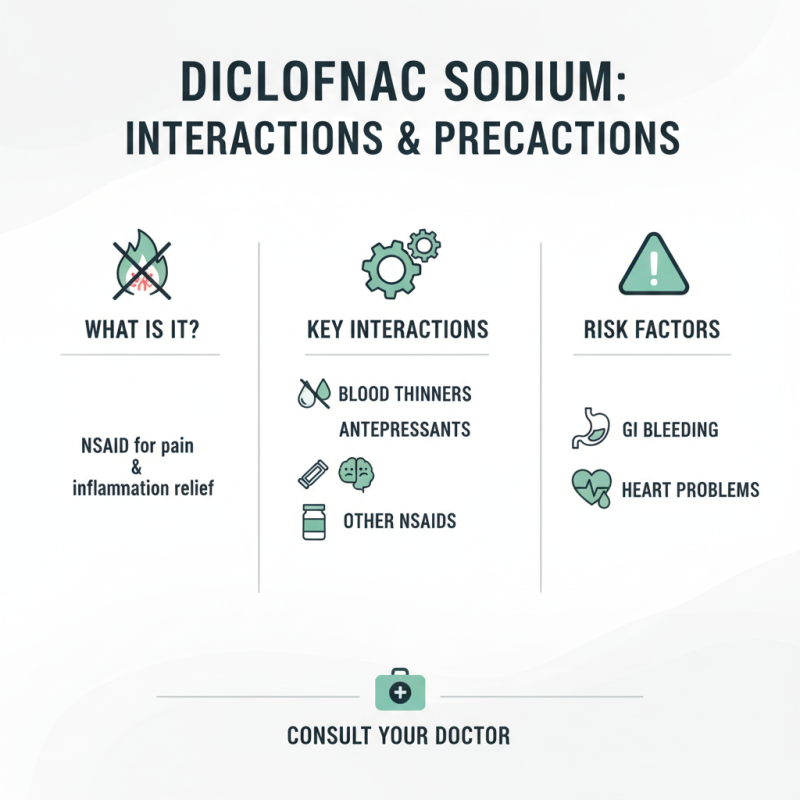
Diclofenac sodium is a non-steroidal anti-inflammatory drug (NSAID) commonly used to relieve pain and inflammation. While it is effective, it is essential to understand potential drug interactions and precautions when using it. This medication can interact with various drugs, including blood thinners, certain antidepressants, and other NSAIDs. These interactions may increase the risk of side effects, such as gastrointestinal bleeding or heart problems.

Patients should inform their healthcare providers about all medications they are taking. Some people may not be aware of the risks associated with combining these treatments. Regular monitoring can help manage these interactions. It's also crucial to follow dosage guidelines strictly. High doses can lead to severe side effects, including kidney damage.

Additionally, individuals with pre-existing conditions, such as heart disease or ulcers, should approach diclofenac sodium with caution. All patients have unique health situations, and what works for one might pose risks for another. Reflecting on past experiences with medications can guide safer use of diclofenac sodium. Open discussions with healthcare professionals can clarify concerns and enhance overall treatment safety.

FAQS

: What is diclofenac sodium used for?

: Diclofenac sodium is used to relieve pain and inflammation. It treats conditions like arthritis and post-operative pain.

Can diclofenac sodium help with gout attacks?

Yes, it is effective for managing acute gout attacks. However, some may face gastrointestinal discomfort.

What are potential side effects of diclofenac sodium?

Side effects may include gastrointestinal issues, kidney damage, and liver problems. Some can be severe.

How should diclofenac sodium be taken?

Take diclofenac sodium as prescribed. Combining it with food or milk can help reduce stomach irritation.

Should I inform my doctor about past medications?

Yes, always discuss past medications with your physician. This helps avoid potential drug interactions.

What should I do if I notice side effects?

Keep a log of any side effects and consult your healthcare provider. They can adjust your treatment plan accordingly.

Is it safe to use diclofenac sodium long-term?

Long-term use can increase the risk of complications. Regular medical check-ups are essential to monitor health.

Are all patients affected the same way by diclofenac sodium?

No, individual responses vary. Some may experience side effects, while others may not have any issues at all.

How can I minimize risks while using diclofenac sodium?

Following dosage instructions and keeping regular appointments with your doctor can help manage risks effectively.

What signs should prompt immediate medical attention?

Swelling, changes in urination, or severe gastrointestinal issues should prompt immediate consultation with a healthcare professional.

Conclusion

Diclofenac Sodium is a nonsteroidal anti-inflammatory drug (NSAID) commonly used to treat pain, inflammation, and swelling associated with various conditions, such as arthritis, menstrual pain, and postoperative pain. This compound operates by inhibiting certain enzymes involved in the production of prostaglandins, which are chemicals that cause inflammation and pain in the body. As a result, Diclofenac Sodium effectively alleviates discomfort and reduces inflammation.

When prescribed, it is essential to follow dosage and administration guidelines to minimize the risk of potential side effects, which may include gastrointestinal issues, cardiovascular concerns, and kidney problems. Furthermore, patients should be aware of possible drug interactions and take necessary precautions when using Diclofenac Sodium to ensure safe and effective treatment. Overall, it plays a crucial role in managing pain and inflammation for many individuals.


Amelia

Amelia

Amelia is a seasoned marketing professional with nearly a decade of experience specializing in the export of biological products, vaccines, Western medicines, raw materials, intermediates, medical consumables, food additives, and plant extracts. Her profound industry knowledge allows her to......
Previous Best Wholesale Cefuroxime Sodium Injection Service Providers in Your Area?