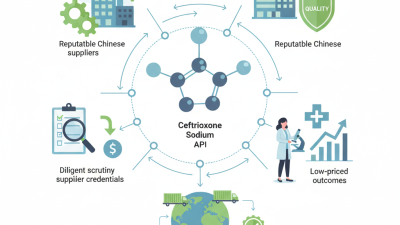
In the world of pharmaceuticals, sourcing high-quality Ceftriaxone Sodium (API) is really a crucial task for buyers. I mean, Dr. Emily Chen, who’s a pretty respected expert in antimicrobial agents, once said, “The success of treatment really depends on the quality of the API you get,” and that pretty much hits the nail on the head. It just goes to show how important it is to have a reliable sourcing process.
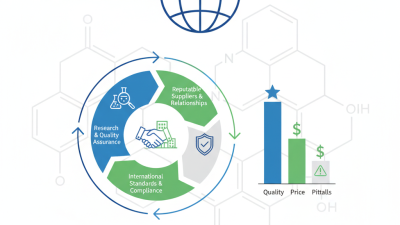
Now, navigating through all the complexities of procurement can be quite the challenge. Suppliers are all over the place—some prioritize quality, others might focus more on cost, and their standards and certifications can vary a lot. As a buyer, you really need to do your homework to make sure the product is legit. Getting to know different suppliers can make life a lot easier when sourcing Ceftriaxone Sodium. Some companies might be cheaper but may not always meet the quality you need, while others could be all about quality but at a higher price.
It's also super important to get your sourcing policies straight. Compliance with regulations isn’t something you can overlook—it’s a must. Honestly, it’s not just about finding any supplier, but about teaming up with someone who really fits your needs. Reflecting on your past experiences can also be a good way to spot potential issues before they happen. With some careful planning and a bit of judgment, you can build solid relationships that help ensure the Ceftriaxone Sodium you get is reliable and consistent.

Understanding Ceftriaxone Sodium: Properties and Uses
Ceftriaxone sodium is a broad-spectrum cephalosporin antibiotic. It is primarily used to treat severe infections caused by various bacteria. The drug works by inhibiting bacterial cell wall synthesis. This action makes it effective against a wide range of pathogens, including those resistant to other antibiotics. According to a recent industry report, the global ceftriaxone market is expected to reach over USD 3 billion by 2025, driven by increased demand in hospitals and healthcare settings.
The properties of ceftriaxone sodium include its solubility in water and stability at different pH levels. This makes it easy to administer intravenously or intramuscularly. For healthcare providers, understanding these properties is crucial for effective treatment plans. While ceftriaxone is effective, it is also essential to consider any potential side effects, such as allergic reactions or gastrointestinal disturbances, as reported by clinical studies. When sourcing ceftriaxone sodium, buyers must ensure high-quality standards. Quality control remains vital, similar to sourcing Diclofenac Sodium, which requires rigorous testing.
Ceftriaxone's versatility in treating infections has led to its widespread use. However, with the rise in antibiotic resistance, careful sourcing and application are critical. Continuous monitoring of supply chain integrity can help mitigate risks associated with substandard products. Addressing these challenges is essential for maximizing treatment effectiveness and patient safety.
Identifying Reliable Suppliers for Ceftriaxone Sodium
Finding reliable suppliers for Ceftriaxone Sodium can be challenging in today's market. Quality and compliance with regulations are paramount. According to a recent industry report, about 30% of global pharmaceutical companies faced supply chain disruptions in 2022. This indicates a pressing need for established relationships with trustworthy suppliers.
When identifying suppliers, consider their certifications and manufacturing practices. Key certifications include Good Manufacturing Practices (GMP) and ISO compliance. Suppliers with these credentials are more likely to ensure product quality. A supplier's track record and experience in the market contribute significantly to reliability. Remember, not all suppliers maintain transparency in their operations. Always verify their quality control measures.
As the global demand for Ceftriaxone Sodium is expected to rise by 5% annually until 2025, the competition for sourcing this antibiotic will increase. This means suppliers might face pressure to cut corners. It's essential to conduct thorough audits and request detailed reports on production processes. The cost of a poor-quality product can outweigh any initial savings. Be vigilant, and prioritize long-term partnerships built on trust and mutual benefit.
Market Demand for Ceftriaxone Sodium by Region
Regulatory Requirements for Importing Ceftriaxone Sodium
Importing Ceftriaxone Sodium requires careful attention to regulatory standards. Different regions have specific guidelines for sourcing this antibiotic. Understanding these regulations is crucial to ensure smooth import operations.
Many countries necessitate regulatory approvals from health authorities. Importers must ensure that the product meets local quality standards. Documentation, including Certificates of Analysis and Good Manufacturing Practice certifications, is often required. Delays can happen if paperwork is incomplete or inaccurate.
Tips: Always verify the supplier’s compliance with local regulations. Engage a legal expert familiar with health product imports. This can help mitigate risks and streamline the process.
Non-compliance can lead to penalties or product recalls. Some importers have faced challenges due to inadequate product testing. Assessing the supplier's credentials thoroughly can prevent these issues.
Tips: Look for suppliers with a track record of reliable documentation. Check for past audits or inspections. Building a relationship with them can foster greater transparency and accountability.
Evaluating the Quality of Ceftriaxone Sodium Products
When evaluating the quality of Ceftriaxone Sodium products, it is essential to consider several key factors. First, ensure that the manufacturer follows Good Manufacturing Practices (GMP). GMP compliance is critical for maintaining product quality and safety. According to a 2022 report by the World Health Organization, around 20% of pharmaceutical products do not meet quality standards. This statistic highlights the importance of sourcing from reputable suppliers.
Additionally, third-party testing can provide insight into product quality. Look for vendors who conduct comprehensive testing for potency and purity. Data from industry surveys indicate that 15% of analyzed samples fail to meet declared potency levels. Such discrepancies can lead to ineffective treatments.
Tips: Engage with suppliers who provide Certificates of Analysis (CoA). This document verifies the product’s quality and compliance with specifications. Regular audits of suppliers can help ensure ongoing compliance.
Evaluating raw materials used in
Ceftriaxone Sodium production is also vital. High-quality ingredients lead to better efficacy. Interestingly, studies show that impurities can be minimized by rigorous sourcing processes. Seek out suppliers who can trace their ingredient origins.
Tip: Consider the supplier's experience in the market. A vendor with a strong track record often understands quality control better.
Ensuring the quality of
Ceftriaxone Sodium requires diligence. Reflect on your sourcing strategies regularly. Look beyond just price and assess long-term partnerships with suppliers. The same considerations apply when sourcing other pharmaceuticals like
Diclofenac Sodium Tablets.
Negotiating Prices and Terms with Suppliers
Negotiating prices and terms with suppliers can be complex. Understanding market trends is crucial. According to a recent industry report by ResearchAndMarkets, the global ceftriaxone sodium market is projected to grow at a CAGR of 5.9% from 2023 to 2030. This growth indicates strong demand, which can affect pricing strategies. Buyers must conduct market research to gather data on current price ranges and expected fluctuations.
When negotiating, clear communication is essential. Articulating your requirements can create confidence with suppliers. For instance, when discussing quantities, express the advantages of long-term contracts. Suppliers might offer better rates for consistent orders. Additionally, don't hesitate to explore flexibility, especially regarding payment terms. A payment plan can help manage your cash flow effectively.
Another important aspect is to evaluate the supplier's reputation. A supplier’s reliability is as critical as pricing. Data from Statista reveals that nearly 77% of buyers prioritize supplier trustworthiness over cost alone. Establishing a good relationship may lead to lower prices in the long run. Even when negotiating for other products like Enoxaparin Sodium Injection, maintaining transparency can foster trust. It's essential to remain adaptable during negotiations, as unexpected challenges can arise that require quick thinking and adjustments.
Shipping and Logistics Considerations for Global Buyers
Sourcing Ceftriaxone Sodium for global buyers involves careful planning in logistics. It's vital to consider the complexities of international shipping. Buyers must choose reliable freight forwarders. They should have experience in handling pharmaceuticals. This ensures temperature control and compliance with local regulations.
Documentation is crucial throughout the shipping process. Missing or incorrect paperwork can cause delays. It's essential to track shipments closely. Delays can lead to shortages in healthcare settings. Planning for potential disruptions is necessary. Assess the reliability of different shipping routes.
There are often unforeseen challenges. Customs clearance can be a bottleneck. Buyers may encounter unexpected fees or longer wait times. Developing good relationships with customs brokers can help. Understanding local regulations is also important. A lack of knowledge can lead to compliance issues.
Always be prepared to adapt your strategy. Flexibility in logistics will improve overall sourcing efficiency.
Ensuring Compliance with Safety and Storage Standards
When sourcing Ceftriaxone Sodium, compliance with safety standards is paramount. Proper storage is crucial to maintain its effectiveness. This antibiotic must be stored away from moisture and heat. Ideally, it should be kept at controlled room temperature. Both excessive heat and humidity can impact its stability.
It's also important to consider transport conditions. During shipping, ensure adequate temperature control. Fluctuations in temperature can compromise the quality. Packaging should be robust enough to prevent any physical damage. Additionally, regular inspections during storage can help identify any issues early.
A reliable supplier should provide documentation on safety compliance. Look for certifications that confirm adherence to safety regulations. Understanding these details reflects industry best practices. Mistakes happen, but continual improvement is essential for maintaining quality control. Regular training for staff on handling and storage protocols can minimize risks.
FAQS
: Ceftriaxone sodium treats severe bacterial infections by inhibiting cell wall synthesis.
It is administered intravenously or intramuscularly due to its water solubility.
Side effects may include allergic reactions and gastrointestinal disturbances.
High-quality standards ensure the drug's effectiveness and patient safety.
Assess suppliers based on their certifications and manufacturing practices for quality assurance.
Look for Good Manufacturing Practices (GMP) and ISO compliance.
Rising resistance levels necessitate careful sourcing and application to maintain treatment effectiveness.
Conduct thorough audits and request detailed production reports from suppliers.
The demand is projected to rise by 5% annually until 2025.
Continuous monitoring can prevent issues linked to substandard products and ensure safety.
Conclusion
Ceftriaxone Sodium (API) is a crucial antibiotic widely used in treating various infections. Understanding its properties and uses is essential for global buyers looking to source this product effectively. The process begins with identifying reliable suppliers, ensuring that they meet regulatory requirements for importing Ceftriaxone Sodium. It is vital to evaluate the quality of the products offered to ensure they meet healthcare standards.
When negotiating prices and terms with suppliers, buyers should consider market trends and potential bulk discounts. Additionally, shipping and logistics play a significant role in the procurement process, as effective coordination can minimize delays. Finally, ensuring compliance with safety and storage standards is necessary to maintain the integrity of Ceftriaxone Sodium products throughout the supply chain. By following these steps, global buyers can successfully navigate the complexities of sourcing Ceftriaxone Sodium.