Leave Your Message
Venous thromboembolism (VTE), comprising deep vein thrombosis (DVT) and pulmonary embolism (PE), remains one of the most significant and preventable complications following major surgical procedures. While pharmacological anticoagulants and mechanical prophylaxis are standard front-line interventions, the foundational role of fluid dynamics, blood viscosity, and metabolic stabilization cannot be overstated. Glucose injection (dextrose solution) serves as a critical cornerstone in post-surgery recovery protocols, directly impacting the physiological factors that influence thrombus formation.
Post-operative patients are highly susceptible to dehydration, localized tissue trauma, and prolonged immobilization. These conditions trigger a hypercoagulable state by increasing blood viscosity and slowing venous blood flow (Virchow's Triad). Administering glucose injections helps clinical teams maintain blood volume, sustain osmotic pressure, and fuel cellular metabolism, thereby reducing the baseline risk of vascular stasis and subsequent endothelial damage.
Clinical Focus: Maintaining optimal intravascular volume with glucose-based infusions prevents hemoconcentration, lowering the mechanical friction of red blood cells against vulnerable post-operative vessel walls.
During the immediate post-operative window, the body initiates a systemic inflammatory response, often leading to fluid shifts from the intravascular space to the interstitial tissues (third-spacing). This reduction in circulating volume leads to hemoconcentration—an elevated concentration of red blood cells, platelets, and clotting factors. Glucose injections, particularly isotonic (5% Dextrose) and hypotonic formulations, rapidly restore intravascular volume. By diluting the cellular components of blood, these solutions lower dynamic viscosity, optimizing microvascular perfusion and preventing platelet aggregation in stagnant venous valves.
Surgical trauma induces a catabolic state, depleting hepatic and skeletal muscle glycogen reserves. When cellular energy is compromised, the vascular endothelium—the inner lining of blood vessels—becomes susceptible to oxidative stress and dysfunction. Dysfunctional endothelial cells lose their natural anti-thrombotic properties, such as the secretion of nitric oxide and prostacyclin, and instead upregulate pro-coagulant factors like tissue factor and von Willebrand factor. Infusing intravenous glucose supplies the necessary substrate for glycolysis, ensuring endothelial cells maintain their structural integrity and active barrier functions, which are vital for preventing localized thrombus nucleation.
Prolonged fasting before and after surgery forces the body to metabolize lipids for energy, leading to the accumulation of ketone bodies and potential metabolic acidosis. Acidic physiological environments impair normal blood flow dynamics and alter the charge distribution on platelet membranes, increasing their reactivity. Intravenous glucose administration provides immediate carbohydrate energy, suppressing ketogenesis, stabilizing systemic pH, and maintaining the physiological balance necessary to prevent hypercoagulability.
The clinical deployment of glucose injections for thrombosis prevention is highly contextualized across different surgical disciplines. Tailoring infusion rates, concentrations, and co-administration strategies is essential to maximizing therapeutic efficacy while minimizing risks like hyperglycemia.
Orthopedic procedures, particularly total hip and knee arthroplasties, carry some of the highest risks for DVT due to local vascular trauma and prolonged immobilization. In these scenarios, glucose injections are utilized within Enhanced Recovery After Surgery (ERAS) protocols. Pre-operative carbohydrate loading and post-operative glucose maintenance infusions help minimize insulin resistance and promote early mobilization. Early mobilization, supported by stable blood pressure and energy levels, is the most effective mechanical deterrent to venous stasis.
Patients undergoing cardiopulmonary bypass or major thoracic surgeries experience significant systemic inflammatory responses. Fluid balance in these patients is delicate. Glucose-insulin-potassium (GIK) infusions are frequently utilized to support myocardial metabolism and stabilize endothelial membranes. By optimizing cardiac output and maintaining vascular tone, these specialized glucose infusions prevent the low-flow states that predispose patients to arterial and venous thrombosis.
Elderly patients often present with pre-existing renal insufficiency, cardiovascular disease, or fragile vascular networks. Standard aggressive anticoagulation therapy carries a high risk of hemorrhage. In these vulnerable populations, maintaining precise fluid balance using glucose injections is a vital, low-risk adjunctive strategy. It ensures adequate renal clearance of metabolic waste and maintains stable hematocrit levels without overloading the cardiovascular system.
Glucose injections act synergistically with low-molecular-weight heparin (LMWH) and oral anticoagulants. By maintaining optimal microvascular flow, glucose ensures the uniform distribution of anticoagulants throughout the deep venous system, preventing localized drug-concentration deficits where clots might otherwise form.
Co-administering glucose with essential electrolytes (such as sodium, potassium, and magnesium) prevents electrolyte shifts that can impair cardiovascular function. A stable, high-performing circulatory system is the body's natural defense against blood stasis.
From an industrial perspective, glucose (dextrose) injections represent one of the most critical segments of the global sterile injectables market. The demand is consistently driven by the rising volume of surgical procedures worldwide, an aging global population, and the expansion of healthcare infrastructure in developing economies.
Modern pharmaceutical manufacturing of glucose injections requires strict adherence to Current Good Manufacturing Practices (cGMP). Because these solutions are administered directly into the venous system, ensuring sterility, non-pyrogenicity, and precise concentration is paramount. Leading manufacturers utilize advanced Blow-Fill-Seal (BFS) technology, which integrates container molding, sterile filling, and sealing into a single continuous process, minimizing human intervention and contamination risks.
Commercially, the market has transitioned from traditional glass bottles to flexible, eco-friendly, and non-PVC bags. These modern packaging systems eliminate the need for venting during administration, reduce the risk of air embolism, and lower transportation costs and carbon footprints, aligning medical supplies with global sustainability goals.
The future of glucose infusion therapy lies at the intersection of biotechnology, digital health, and personalized medicine. Several key trends are shaping the next generation of post-surgery fluid management:
For healthcare institutions, distributors, and pharmaceutical partners, securing a reliable supply of high-quality injectables is essential. Jiangxi Serum Pharma Industries Co., Ltd. brings nearly a decade of expertise in exporting Western medicines, biological products, and nutritional ingredients. By offering GMP-compliant products, we support global clinical protocols aimed at improving post-operative outcomes, including fluid optimization and thrombosis prevention strategies.
Jiangxi Serum Pharma Industries Co., Ltd. is a professional supplier of pharmaceutical and nutritional products in China. For nearly 10 years, we have been dedicated to exporting biological products, vaccines, Western medicines, raw materials, intermediates, medical consumables, food additives, and plant extracts, and have accumulated rich industry experience.
Read moreEstablished in 2017
Over 500 long term cooperation clients
More than 200 close-related suppliers
Annual sales exceeding 10,000,000 USD
Our Premium Products Will Bring Back The Health
Our pharmaceutical products consist of biological products, vaccines, western medicines, raw material, intermediates, medical consumables, with high quality and affordable prices.
View DetailsDerives From The Nature To Maintain Body Health And Balance With Purity
Our nutritional ingredients cover several categories as plant extracts, plant oils & proteins, probiotics and other specialties, we are committed to exploring more health ingredients to support people’s health.
View DetailsSerum Pharma will continuously monitor the development of the cutting-edge markets. Currently, we have already cooperated with our partners on the customization of Pre-Mix, Co-Crystallization and Bio-Fermentation products service, and have launched corresponding support services.

Tailored pre-mix formulations designed to meet specific nutritional and pharmaceutical requirements.
Read More
Advanced co-crystallization technologies to enhance solubility, stability, and bioavailability.
Read More
High-purity bio-fermented ingredients developed using state-of-the-art biological synthesis.
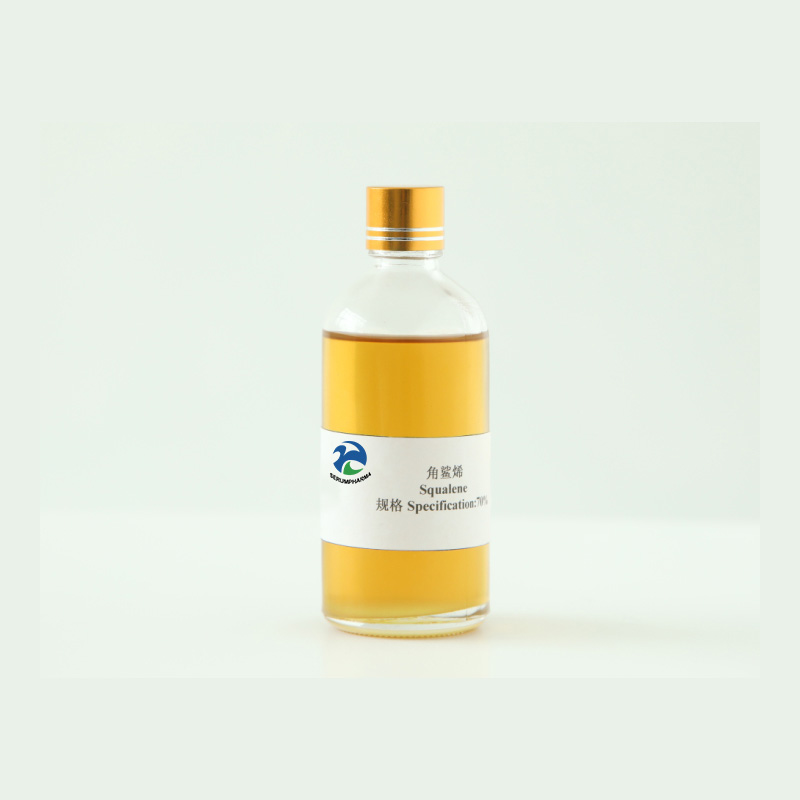
Read MoreAn in-depth analysis of the global shift towards sustainable, plant-derived squalene, its applications in pharmaceutical formulations, cosmetics, and vaccine adjuvants, and future market demand trends.
Exploring the clinical significance, anti-inflammatory mechanisms, and global supply chain dynamics of Dexamethasone Sodium Phosphate API in emergency and critical care medicine.
Reviewing the rapid 50-day approval process of the latest oral small-molecule GLP1 receptor agonist, highlighting its flexible dosage, absence of fasting requirements, and potential impact on global metabolic therapy markets.