
Leave Your Message
High-precision small and large volume sterile parenterals manufactured under strict GMP compliance to support critical therapeutic interventions.
Jiangxi Serum Pharma Industries Co., Ltd. is a professional supplier of pharmaceutical and nutritional products in China. For nearly 10 years, we have been dedicated to exporting biological products, vaccines, Western medicines, raw materials, intermediates, medical consumables, food additives, and plant extracts, and have accumulated rich industry experience.
Read moreEstablished in 2017
Over 500 long term cooperation clients
More than 200 close-related suppliers
Annual sales exceeding 10,000,000 USD
Pregnancy is a dynamic physiological state characterized by profound hematological adaptations. Among these, the hypercoagulable state is a evolutionary mechanism designed to protect women from life-threatening hemorrhage during childbirth. However, this protective mechanism significantly increases the risk of venous thromboembolism (VTE), which encompasses deep vein thrombosis (DVT) and pulmonary embolism (PE). VTE remains a leading cause of maternal morbidity and mortality worldwide. Managing blood clots during pregnancy requires a highly nuanced approach because clinicians must balance the safety of the mother with the developmental health of the fetus.
Injectable therapies, categorized into Small Volume Parenterals (SVPs) and Large Volume Parenterals (LVPs), serve as the clinical backbone for both prophylaxis and acute management of pregnancy-related thrombosis. Oral anticoagulants like Warfarin cross the placenta and carry severe teratogenic risks, while Direct Oral Anticoagulants (DOACs) lack sufficient safety data. Consequently, sterile injections remain the primary, most reliable route of drug administration throughout the gestational and postpartum periods.
To understand the necessity of targeted injection therapies, it is essential to analyze the components of Virchow's Triad as they manifest during pregnancy:
Low-Molecular-Weight Heparin (LMWH) and Unfractionated Heparin (UFH) administered via injection do not cross the placenta. This prevents fetal anticoagulation and minimizes the risk of embryopathy, making parenterals the undisputed gold standard for managing gestational thromboembolic risks.
Small Volume Parenterals (typically defined as sterile solutions packaged in volumes of 100 mL or less) play a vital role in the daily, long-term management of pregnancy-related blood clots. Low-Molecular-Weight Heparins (LMWH) such as Enoxaparin Sodium and Dalteparin are the primary agents formulated as SVPs, typically provided in prefilled, single-dose syringes.
The development of prefilled syringes with ultra-fine, siliconized needles has revolutionized outpatient care. Pregnant patients requiring daily VTE prophylaxis or treatment can safely self-administer these medications subcutaneously at home. This eliminates the need for frequent hospital visits, improving the patient's quality of life and reducing healthcare expenditures. Industrial manufacturers place a premium on ergonomic syringe designs, automatic needle-shielding mechanisms to prevent accidental needle-stick injuries, and clear volume graduation marks to ensure absolute dosage accuracy.
SVPs of LMWH offer highly predictable pharmacokinetic profiles compared to unfractionated heparin. They exhibit higher bioavailability, a longer half-life, and a dose-dependent renal clearance. Because of this predictability, routine laboratory monitoring of anti-Xa levels is generally unnecessary, except in high-risk patients, such as those with extreme body weight or renal impairment.
Large Volume Parenterals (sterile solutions designed for intravenous infusion, packaged in volumes exceeding 100 mL) are reserved for acute, life-threatening scenarios and intrapartum management within hospital settings. The primary therapeutic agent used in this context is Unfractionated Heparin (UFH), delivered via continuous intravenous infusion.
In cases of acute, hemodynamically unstable pulmonary embolism during pregnancy, IV infusion of UFH using LVPs is the treatment of choice. The rapid onset of action allows for immediate anticoagulation. Furthermore, UFH has a short half-life (approximately 30 to 90 minutes), and its anticoagulant effect can be rapidly and completely reversed using Protamine Sulfate. This rapid reversibility is critical if emergency surgical intervention or a Caesarean section becomes necessary.
As delivery approaches, clinicians must transition patients from subcutaneous SVP therapy to intravenous LVP therapy. LMWH (SVP) is typically discontinued 24 hours before planned induction or Caesarean delivery, and patients are started on a continuous infusion of UFH (LVP). This transition allows for precise control over the patient's coagulation status, minimizing the risk of postpartum hemorrhage while protecting against rebound thrombosis during labor.
The global market for injectable anticoagulants is expanding rapidly, driven by clinical awareness, maternal age trends, and rising global rates of obesity. The production of both SVPs and LVPs for clot management is a highly specialized sector of the pharmaceutical industry.
The primary active pharmaceutical ingredient (API) for heparin is derived from porcine intestinal mucosa. Consequently, the commercial supply chain is highly vulnerable to agricultural crises, such as African Swine Fever. To mitigate these risks, pharmaceutical companies are investing heavily in the development of synthetic heparin analogues and bio-engineered alternatives. Maintaining a stable, traceable, and contaminant-free API supply chain is a critical priority for global suppliers like Jiangxi Serum Pharma.
The manufacture of parenterals for pregnant populations demands the highest standards of quality control. Facilities must comply with strict Good Manufacturing Practices (GMP) outlined by regulatory bodies such as the US FDA, EMA, and China's NMPA. Since these injections bypass the body's natural defenses, ensuring absolute sterility, low endotoxin levels, and the absence of particulate matter is paramount. The industry utilizes advanced barrier technologies, including RABS (Restricted Access Barrier Systems) and isolators, to maintain aseptic conditions during filling processes.
The future of pregnancy-related blood clot management is being shaped by technological innovations that enhance safety, precision, and patient adherence.
The integration of digital health with drug delivery is a growing trend. "Smart" prefilled syringes equipped with NFC or RFID tags can log the exact time of administration and transmit data to a clinician's dashboard. This helps monitor compliance and allows for remote dosage adjustments based on real-time maternal weight changes or clinical markers.
Traditional multi-dose vials often contain preservatives like benzyl alcohol, which can cross the placenta and pose toxicological risks to the developing fetus. The pharmaceutical industry is moving decisively toward single-dose, preservative-free SVP formulations. This shift ensures maximum fetal safety, aligning with modern obstetric guidelines.
Artificial intelligence algorithms are being deployed to analyze vast datasets of maternal health records. By evaluating genetic markers, lifestyle factors, and physiological parameters, AI can identify patients at high risk for VTE early in pregnancy. This enables personalized, proactive prescription of prophylactic SVP therapies, preventing clot formation before it occurs.
Our pharmaceutical products consist of biological products, vaccines, western medicines, raw material, intermediates, medical consumables, with high quality and affordable prices.
View Details

Our nutritional ingredients cover several categories as plant extracts, plant oils & proteins, probiotics and other specialties, we are committed to exploring more health ingredients to support people’s health.
View DetailsStay updated with the latest trends in global medicine, raw materials, and pharmaceutical technology.
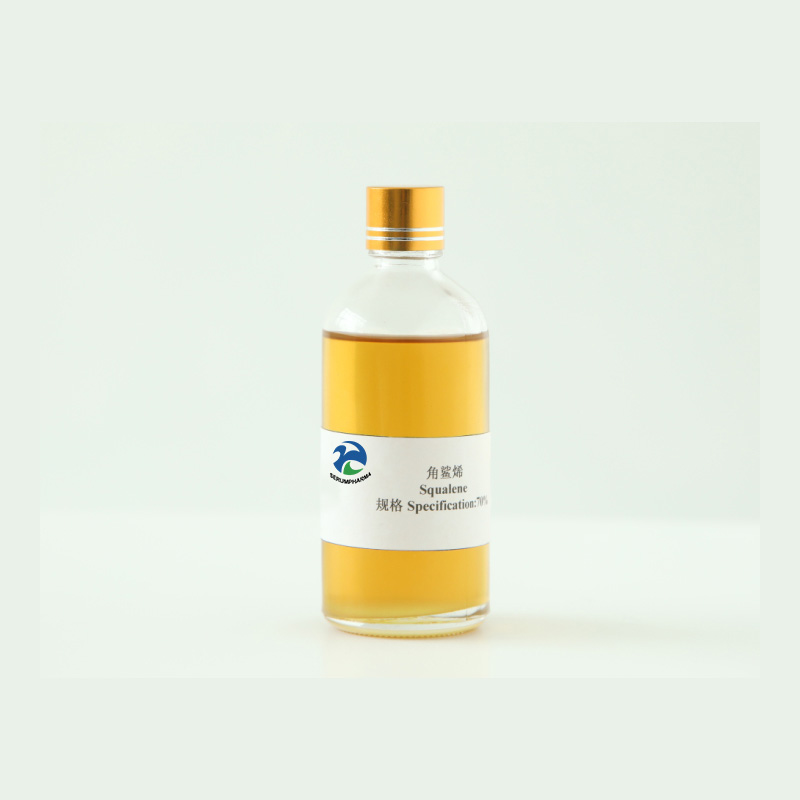
Discover the emerging market dynamics, sustainability benefits, and applications of plant-derived squalene in formulation science.
Learn More
An in-depth analysis of Dexamethasone's clinical importance, regulatory status, and its vital role in global therapeutic applications.
Learn More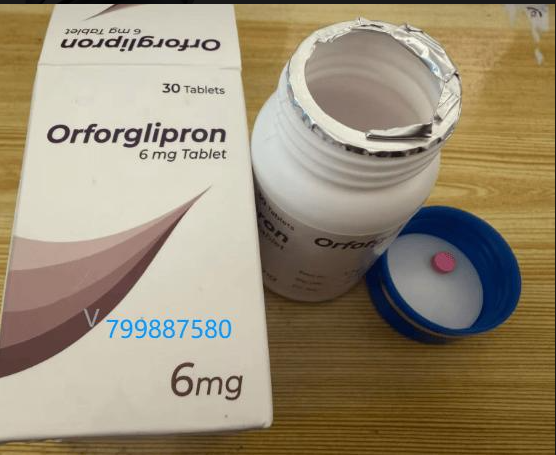
Exploring the rapid approval and administration flexibility of Lilly's new oral small-molecule GLP1 weight-loss therapeutic agent.
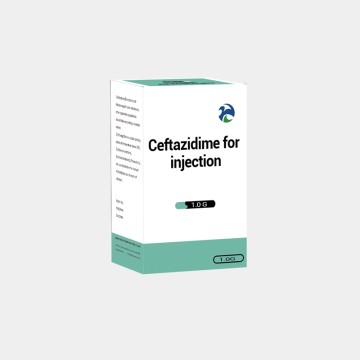
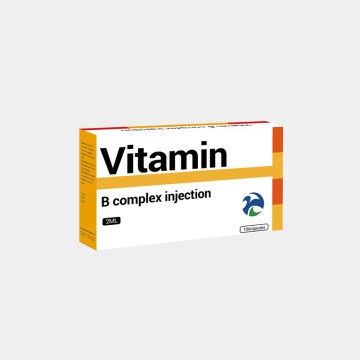
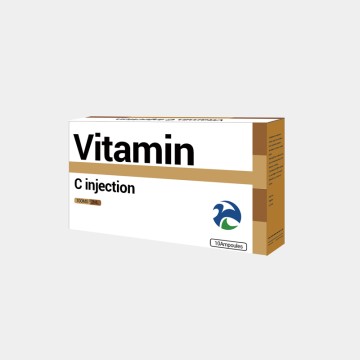
Learn MoreExplore our comprehensive range of human and veterinary sterile injectables, vitamins, and active pharmaceutical ingredients.
Your trusted global supplier of high-quality pharmaceutical and nutritional products. Committed to health and purity since 2017.
Contact Us