

1. Introduction to Pregnancy-Related Blood Clot Risks
Pregnancy is a dynamic physiological state characterized by profound changes in maternal anatomy, physiology, and biochemistry. Among these adaptations, alterations in the coagulation cascade are particularly significant. The maternal body naturally shifts toward a hypercoagulable state—a biological mechanism designed to protect the mother from excessive blood loss during childbirth. However, this protective mechanism carries a substantial drawback: it increases the risk of venous thromboembolism (VTE), including deep vein thrombosis (DVT) and pulmonary embolism (PE), by four to five times compared to non-pregnant women.
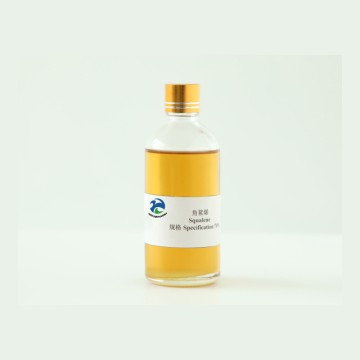
Managing blood clot risks during pregnancy presents a unique clinical challenge. Standard anticoagulant therapies, such as low-molecular-weight heparin (LMWH), are effective but require daily injections and carry risks of bleeding, osteoporosis, and heparin-induced thrombocytopenia. Consequently, there is growing interest in safe, natural, and highly biocompatible adjunctive therapies. Plant-derived squalene has emerged as a promising candidate. Known for its powerful antioxidant properties, oxygen-carrying capacity, and ability to enhance cellular resilience, squalene is being evaluated for its potential role in supporting vascular health and mitigating thrombosis risks during pregnancy.
Note: Plant-derived squalene exhibits a strong oxygen-carrying capacity, enhancing cellular antioxidant activity and increasing the activity of superoxide dismutase (SOD) in the body, which plays a vital role in protecting vascular endothelium from oxidative damage.
2. The Biological Mechanism of Squalene in Vascular Health
Oxygen-Carrying Capacity and Cellular Protection
Squalene ($C_{30}H_{50}$) is a natural triterpene hydrocarbon that serves as a key intermediate in the biosynthesis of phytosterols and cholesterol. Its unique molecular structure, featuring six unconjugated double bonds, allows it to act as a highly efficient oxygen generator. In hypoxic tissues, squalene can release oxygen by reacting with water molecules, thereby sustaining cellular respiration and preventing tissue damage. During pregnancy, maintaining optimal microvascular oxygenation is critical for both the maternal vascular system and placental development. By preventing localized hypoxia in the blood vessels, squalene helps maintain the structural integrity of the vascular walls and reduces the risk of endothelial cell death, a primary trigger for clot formation.
Vascular Endothelial Protection and Anti-Inflammatory Action
The vascular endothelium acts as a barrier and regulator of vascular tone, coagulation, and inflammatory responses. In pregnancy-induced hypertension or preeclampsia, endothelial dysfunction is widespread, leading to platelet activation and thrombin generation. Squalene accumulates in cellular membranes, protecting the lipid bilayer from peroxidation. Its anti-inflammatory properties inhibit the expression of pro-inflammatory cytokines (such as TNF-alpha and IL-6) and cell adhesion molecules (like VCAM-1 and ICAM-1). By reducing endothelial inflammation, squalene prevents leukocytes and platelets from adhering to the vessel walls, lowering the risk of microvascular thrombosis.
Upregulating Superoxide Dismutase (SOD) Activity
Oxidative stress is a major contributor to hypercoagulability. Reactive oxygen species (ROS) directly degrade nitric oxide (NO)—a natural vasodilator and platelet inhibitor—leading to vasoconstriction and platelet aggregation. Research demonstrates that plant-derived squalene significantly increases the activity of Superoxide Dismutase (SOD) and Glutathione Peroxidase (GPx) in the body. SOD neutralizes superoxide radicals, preserving bioavailable NO and maintaining a healthy, non-thrombogenic vascular environment. This enzymatic upregulation is particularly beneficial during the third trimester of pregnancy, when oxidative stress naturally peaks.
Placental Microcirculation Support
The placenta relies on a delicate balance of blood flow through spiral arteries. Any disruption, such as micro-clots, can lead to placental insufficiency, intrauterine growth restriction (IUGR), or preeclampsia. Squalene's ability to maintain membrane fluidity in red blood cells improves blood rheology and microvascular perfusion. By enhancing the deformability of erythrocytes, squalene ensures smooth passage through the narrow capillaries of the placental villi, promoting optimal nutrient and oxygen exchange while preventing localized thrombosis.
3. Industrial Status and Global Market Trends of Squalene
The Transition from Shark-Derived to Plant-Sourced Squalene
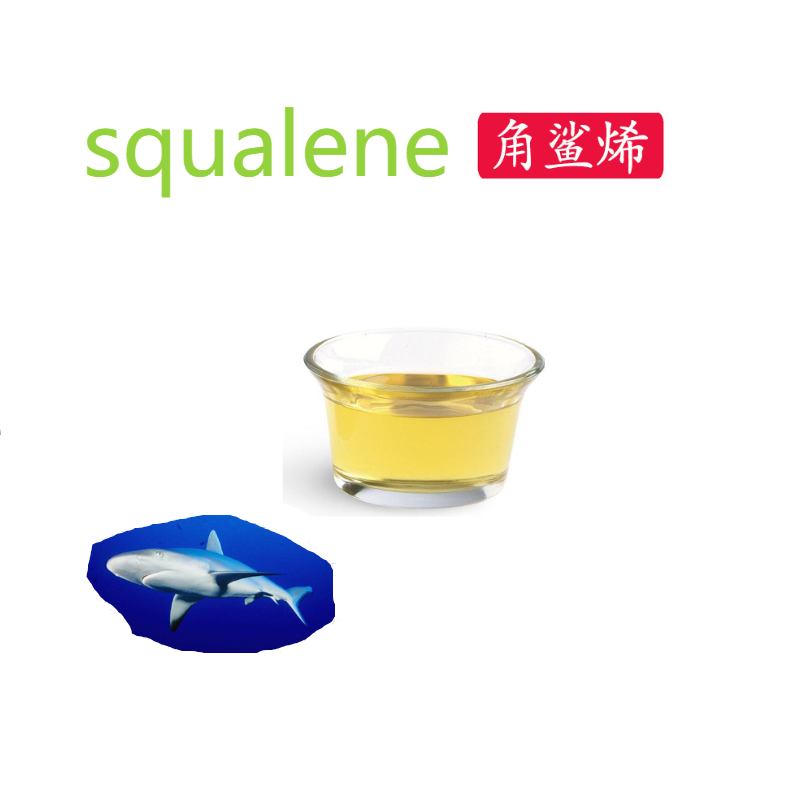
Historically, the primary source of squalene was deep-sea shark liver oil. However, this extraction method is ecologically destructive, contributing to the depletion of shark populations and disrupting marine ecosystems. Furthermore, shark-derived squalene carries risks of environmental contamination, including heavy metals (mercury, lead) and persistent organic pollutants (PCBs). To address these issues, the global pharmaceutical and nutraceutical industries have transitioned toward sustainable alternatives. Plant-derived squalene, extracted from olives, amaranth seeds, sugarcane, and rice bran, offers a clean, sustainable, and ethical alternative, making it ideal for maternal health products where purity is paramount.
Advanced Bio-Fermentation and Synthetic Biology
While plant extraction is a significant improvement, synthetic biology is driving the next wave of innovation. Through bio-fermentation, engineered yeast strains (such as Saccharomyces cerevisiae) can convert simple sugars into high-purity squalene. This method provides a highly controlled, scalable, and weather-independent supply chain. Bio-fermented squalene achieves a purity level exceeding 98%, free from agricultural residues, pesticides, or animal pathogens. This ultra-pure grade is increasingly favored for pharmaceutical formulations and clinical-grade prenatal supplements.
Regulatory Frameworks and Quality Standards
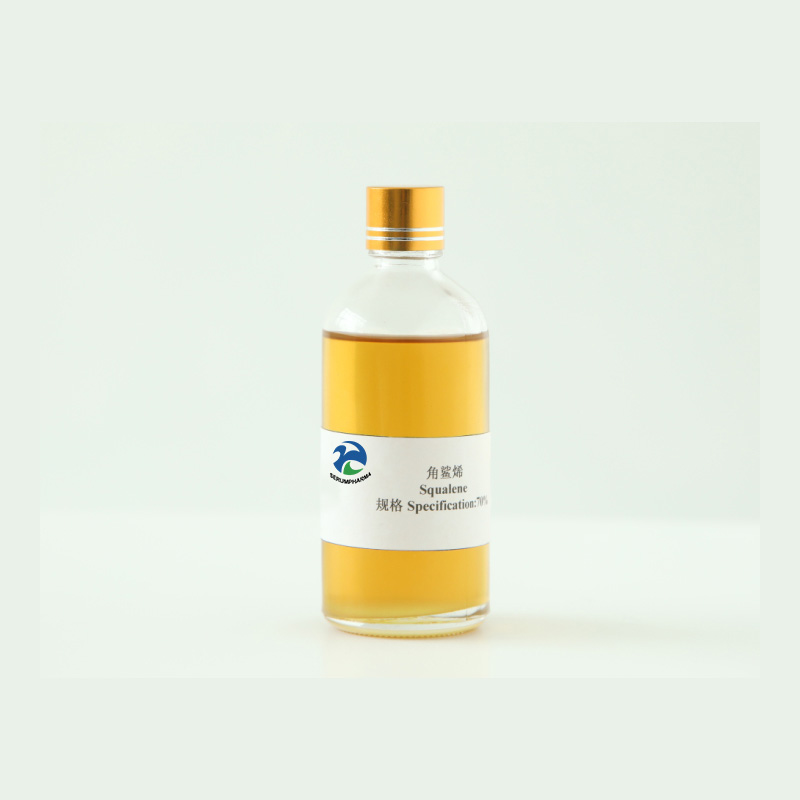
As squalene is integrated into maternal health and pharmaceutical applications, regulatory bodies like the FDA, EFSA, and EMA are enforcing stricter quality standards. Manufacturers must demonstrate complete traceability, allergen-free profiles, and the absence of heavy metals. Jiangxi Serum Pharma Industries Co., Ltd. adheres to these standards, utilizing advanced separation and purification technologies to supply pharmaceutical-grade, plant-derived squalene that meets global pharmacopoeia requirements.
4. Deep Application Scenarios in Maternal Health
Prenatal Nutritional Supplements
Standard prenatal vitamins focus primarily on micronutrients like folic acid, iron, and calcium. However, there is a growing market for premium lipid-based formulations designed to support cardiovascular and placental health. Plant-derived squalene can be formulated into softgels or liquid emulsions, combined with omega-3 fatty acids (DHA/EPA) and natural vitamin E. This combination provides synergistic cardiovascular support, helping to regulate blood pressure, maintain vessel elasticity, and reduce the risk of pregnancy-related venous stasis.
Adjuvant Therapy in High-Risk Pregnancies
For pregnant women with a history of thrombophilia, recurrent miscarriages, or preeclampsia, squalene serves as a valuable natural adjuvant. While it does not replace primary medical anticoagulants like heparin, its daily administration can optimize vascular endothelial function, potentially allowing for lower dosages of synthetic drugs and reducing associated side effects. This integrative approach is gaining traction among progressive obstetricians and maternal-fetal medicine specialists.
Nano-Formulations for Enhanced Bioavailability
Squalene is a highly lipophilic molecule, which can limit its absorption in the gastrointestinal tract. To overcome this, pharmaceutical developers are utilizing Nanostructured Lipid Carriers (NLCs) and nanoemulsions. These advanced delivery systems encapsulate squalene in sub-micron droplets, significantly improving its water solubility, stability, and systemic bioavailability. Squalene-based nano-formulations offer targeted delivery to vascular tissues and the placenta, maximizing therapeutic efficacy at lower doses.
Industrial Potential: The integration of squalene into advanced drug delivery systems (like NLCs and liposomes) represents a multi-billion dollar opportunity for the global pharmaceutical sector, bridging the gap between natural compounds and high-efficacy clinical therapies.
5. Jiangxi Serum Pharma: Your Trusted Bio-Chemical Partner
As a leading supplier in the global life sciences sector, Jiangxi Serum Pharma Industries Co., Ltd. is committed to providing high-quality biological materials, active pharmaceutical ingredients (APIs), and nutritional compounds. Our plant-derived squalene is processed under strict GMP conditions to ensure maximum purity, stability, and safety for sensitive applications, including prenatal health formulations.
With nearly a decade of experience, we support pharmaceutical manufacturers, nutraceutical brands, and research institutions worldwide. By offering customizable solutions like pre-mixes, co-crystallization, and bio-fermentation services, we help our partners bring innovative, science-backed products to market efficiently.