
Leave Your Message
Explore our specialized veterinary drug formulations engineered to manage intraoperative fluid dynamics, maintain electrolyte balance, and accelerate post-operative recovery.


During veterinary surgical interventions, maintaining a precise intraoperative fluid and electrolyte balance is critical to survival and successful recovery. Anesthesia, tissue trauma, and blood loss inherently disrupt an animal's homeostatic mechanisms. Anesthetic agents impair cardiovascular compensatory reflexes, leading to vasodilation and hypotension. Without proactive fluid therapy, organs face cellular hypoxia, metabolic acidosis, and acute renal failure.
Modern veterinary medicine relies on a sophisticated array of crystalloids, colloids, and targeted active pharmaceutical ingredients (APIs) to stabilize osmotic pressure and maintain electrolyte balance. Crystalloids, composed of water and mineral salts, are the primary tools for replacing lost fluids and matching physiological tonicity. These solutions are buffered with lactate, acetate, or gluconate to counteract metabolic acidosis, ensuring that the blood pH of canine, feline, equine, or bovine patients remains within a narrow, life-supporting range.
"Fluid therapy is not merely about volume replacement; it is a dynamic pharmacological intervention. Every milliequivalent of sodium, potassium, chloride, and calcium administered intraoperatively plays a vital role in maintaining membrane potentials, cardiac output, and renal perfusion."
When an animal undergoes general anesthesia, the autonomic nervous system is suppressed. Vasodilation increases the vascular capacity, creating a relative hypovolemia even in the absence of hemorrhage. Concurrently, insensible fluid losses through the respiratory tract (especially with dry anesthetic gases) and evaporation from open surgical cavities deplete the extracellular fluid (ECF) compartment.
Electrolyte shifts are equally hazardous. Hypokalemia (low potassium) can trigger cardiac arrhythmias, while hyperkalemia can lead to bradycardia and cardiac arrest. Calcium ions are indispensable for myocardial contraction and coagulation cascades. Consequently, the intraoperative administration of veterinary drugs must be highly customized, monitoring electrolyte concentrations in real-time to adjust infusion rates and supplement specific ions as clinically indicated.
Jiangxi Serum Pharma Industries Co., Ltd. is a professional supplier of pharmaceutical and nutritional products in China. For nearly 10 years, we have been dedicated to exporting biological products, vaccines, Western medicines, raw materials, intermediates, medical consumables, food additives, and plant extracts, and have accumulated rich industry experience.
By leveraging our deep expertise in veterinary medicine and pharmaceutical manufacturing, we support global veterinary clinics, hospitals, and pharmaceutical distributors. We ensure that critical veterinary drugs, including those required for intraoperative fluid resuscitation and electrolyte stabilization, meet the highest international standards of purity, safety, and efficacy.
Read More About Us

Established in 2017
Over 500 long term cooperation clients
More than 200 close-related suppliers
Anual sales exceeding 10,000,000 US dollars
The global veterinary pharmaceutical market is witnessing unprecedented growth, heavily driven by the increasing humanization of companion animals and the expanding scale of commercial livestock farming. Within this market, intraoperative support therapeutics represent a highly specialized, high-margin sector. As pet owners demand human-grade medical care for their animals, veterinary clinics are adopting advanced surgical monitoring protocols, which in turn drives the demand for precise fluid and electrolyte management solutions.
From an industrial perspective, manufacturing sterile veterinary injectables requires compliance with stringent Good Manufacturing Practice (GMP) regulations. Contamination, pyrogenicity, or chemical instability in an infusion drug can lead to immediate systemic shock or death in compromised surgical patients. Consequently, veterinary drug developers are investing in cutting-edge formulation techniques like co-crystallization and bio-fermentation to improve the stability and bioavailability of critical active pharmaceutical ingredients (APIs).
Historically, veterinarians relied on a few standard fluid bags (such as Normal Saline or Lactated Ringer's) for all surgical cases. Today, the industry is shifting toward "precision fluid therapy." This trend involves tailoring the electrolyte and drug profile to the specific species, breed, age, and clinical status of the animal. For example, a cat with pre-existing renal disease requires a vastly different sodium and potassium profile during surgery compared to a horse undergoing colic surgery.
To facilitate this precision, manufacturers are developing pre-mixed, multi-chamber bags and specialized concentrated electrolyte additives (pre-mixes). These innovations minimize the risk of calculation and contamination errors in busy clinical settings. Furthermore, biotechnology advancements have allowed for the bio-fermentation of organic buffer molecules and adjuvants, resulting in highly biocompatible solutions that minimize post-operative inflammatory responses.
OUR PREMIUM PRODUCTS WILL BRING BACK THE HEALTH
Our pharmaceutical products consist of biological products, vaccines, western medicines, raw material, intermediates, medical consumables, with high quality and affordable prices. We supply key components that enable veterinarians worldwide to maintain intraoperative stability and treat critical conditions.
View DetailsDerives From The Nature To Maintain Body Health And Balance With Purity
Our nutritional ingredients cover several categories as plant extracts, plant oils & proteins, probiotics and other specialties, we are committed to exploring more health ingredients to support people’s health and animal wellness.
View DetailsSerum Pharma continuously monitors the development of cutting-edge markets. Currently, we have already cooperated with our partners on the customization of Pre-Mix, Co-Crystallization, and Bio-Fermentation product services, launching corresponding support services to optimize drug stability and therapeutic delivery.
Customized formulation blends to ensure uniform distribution of active ingredients and electrolytes.
Read MoreAdvanced molecular modification to enhance the solubility, stability, and absorption rates of critical APIs.
Read More
Biotechnology-driven synthesis of high-purity biological enzymes, buffers, and physiological molecules.
Read MoreTo fully understand the clinical importance of intraoperative fluid and electrolyte management, we must analyze specific surgical scenarios where these veterinary drug solutions are applied.
In large animal veterinary medicine, emergency C-sections in cattle or sheep present high risks of hemorrhage and hypovolemic shock. During uterine exteriorization and incision, rapid blood loss can quickly destabilize maternal blood pressure. Here, the immediate intravenous infusion of balanced crystalloids is vital to maintain blood volume.
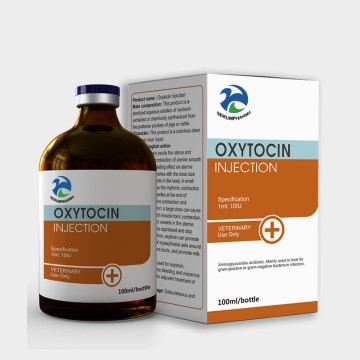
Concurrently, **Oxytocin Injection** is administered. Oxytocin stimulates the contraction of uterine smooth muscle fibers, which mechanically compresses the bleeding uterine blood vessels, drastically reducing further blood loss. The synergistic action of rapid fluid therapy (electrolyte balance) and Oxytocin ensures that the animal survives the acute surgical phase and maintains lactation capacity for the newborn offspring.
Horses with severe gastrointestinal strangulation or impactions undergo massive fluid shifts. Large volumes of fluid accumulate within the lumen of the bowel, depleting the intravascular space. This leads to severe hemoconcentration, metabolic acidosis, and endotoxemic shock.
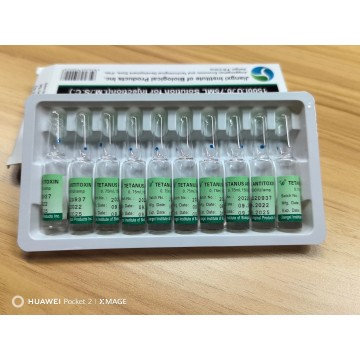
Intraoperative fluid therapy in these cases requires massive volumes (often 10 to 20 liters per hour for an adult horse) of buffered crystalloids supplemented with electrolytes like calcium and potassium. Additionally, because surgical colic carries a high risk of bacterial translocation and subsequent systemic infection, administering **Tetanus Antitoxin** and broad-spectrum anti-inflammatories like **Dexamethasone Sodium Phosphate** is essential to prevent secondary complications and stabilize capillary permeability.
Orthopedic surgeries in dogs and cats, such as cranial cruciate ligament repairs or fracture fixations, are often lengthy. Long anesthetic exposure increases the risk of hypothermia, which in turn slows down metabolic processes and exacerbates acidosis.
During these extended procedures, constant rate infusions (CRIs) of balanced fluids containing precise sodium, potassium, and magnesium concentrations are maintained. This stabilizes resting membrane potentials in cardiac muscles, preventing anesthetic-induced arrhythmias, and ensures that the kidneys are continuously perfused to filter out anesthetic waste products.
Stay updated with the latest research, market analyses, and pharmaceutical breakthroughs from Jiangxi Serum Pharma Industries.
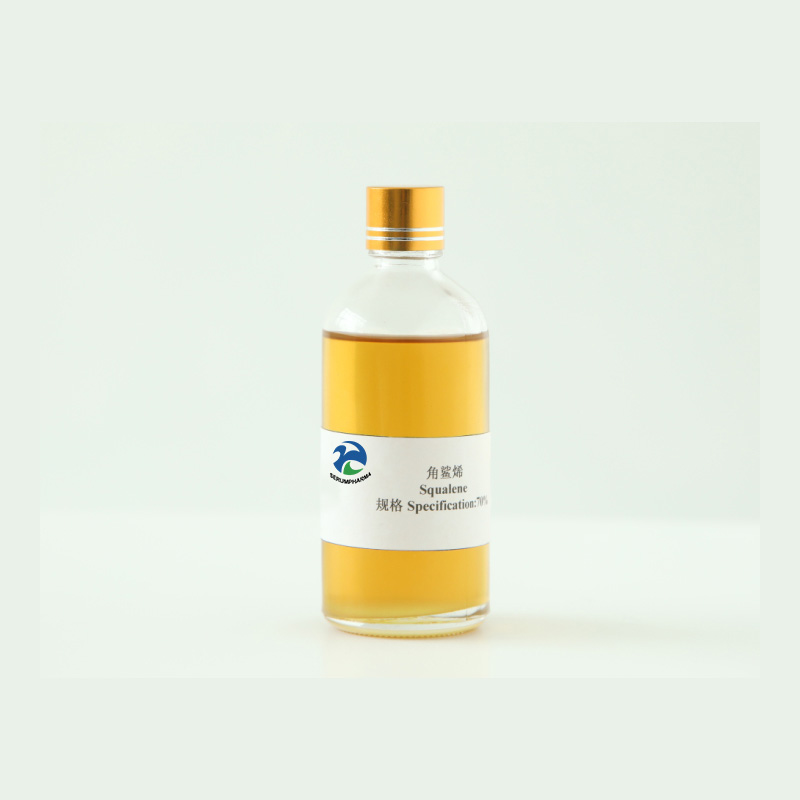
An in-depth analysis of how plant-derived squalene is replacing shark-derived alternatives as a highly sustainable and biocompatible adjuvant in veterinary vaccines and clinical emulsions.
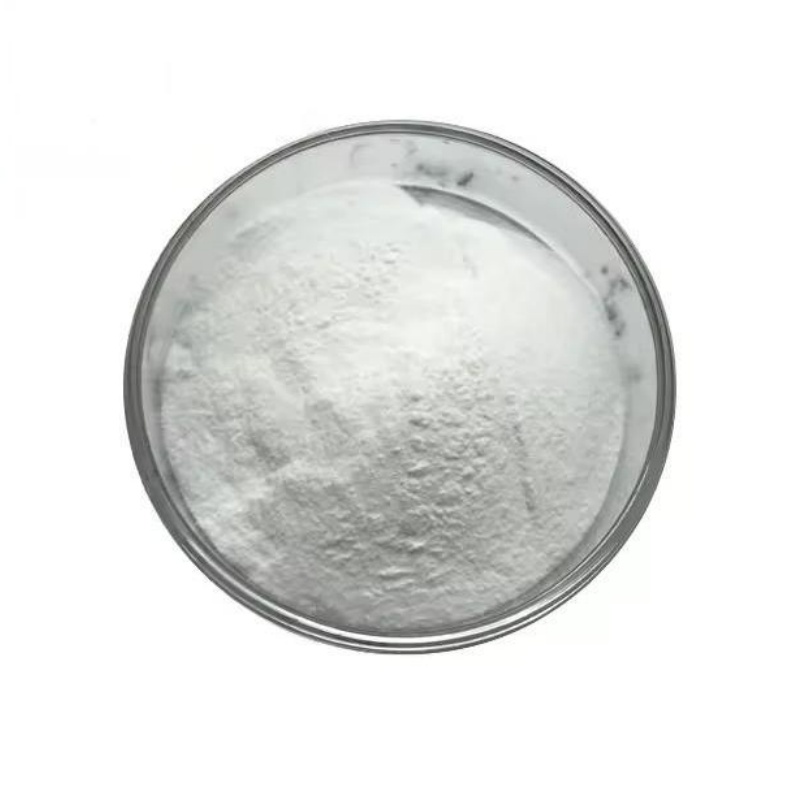
Exploring the crucial anti-inflammatory and anti-shock properties of Dexamethasone Sodium Phosphate API during major surgical procedures and acute trauma resuscitation in livestock and companion animals.
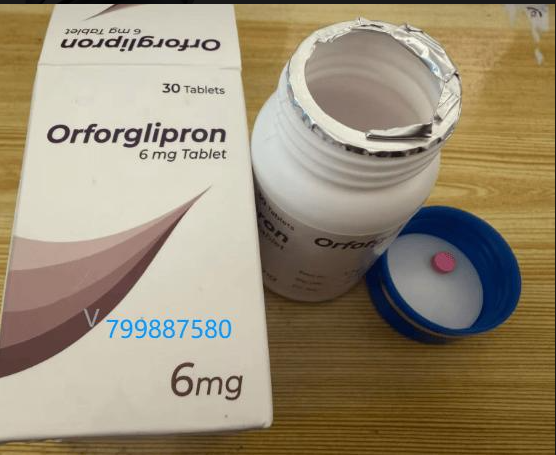
Analyzing the rapid approval and clinical trial progress of oral small-molecule GLP-1 receptor agonists, highlighting flexible dosing schedules, no fasting requirements, and metabolic stability.
Discover our complete range of veterinary drugs, biological products, and nutritional intermediates designed to support surgical homeostasis, reproductive health, and metabolic balance.