Leave Your Message
Innovative veterinary drugs tailored for post-surgery thrombosis prevention and animal health restoration.
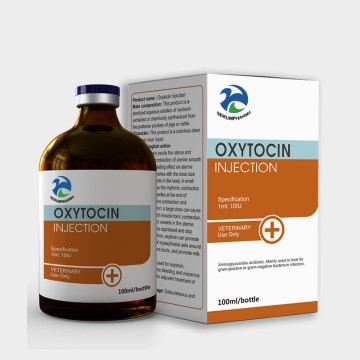
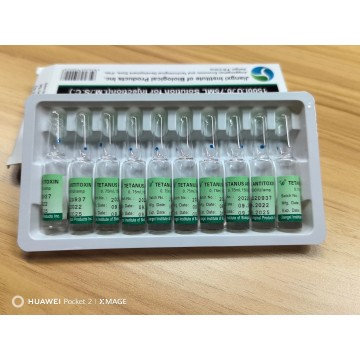


In modern veterinary medicine, the complexity of surgical interventions has escalated significantly. From intricate tibial plateau leveling osteotomies (TPLO) in companion animals to complex abdominal surgeries in equine patients, veterinary surgeons are achieving outcomes that were once deemed impossible. However, with the advancement of surgical techniques comes the heightened responsibility of managing post-operative complications. Among these, post-surgery thrombosis stands out as one of the most insidious and potentially fatal risks. A thrombosis—the formation of a blood clot within a blood vessel—can obstruct flow locally or embolize to critical organs, leading to pulmonary thromboembolism (PTE), portal vein thrombosis, or systemic arterial thromboembolism (ATE). Consequently, the strategic development and administration of a specialized veterinary drug for post-surgery thrombosis prevention have become a cornerstone of contemporary veterinary critical care and surgical recovery protocols.
Clinical Focus: Managing post-operative hypercoagulability requires a deep understanding of Virchow's Triad—endothelial injury, circulatory stasis, and systemic hypercoagulability. Modern veterinary pharmacology is rapidly shifting toward targeted, low-risk anticoagulant therapies to safeguard animal lives during critical recovery phases.
Surgical procedures inherently disrupt the delicate balance of the hemostatic system. When tissue is incised, the subendothelial matrix is exposed, activating platelets and the extrinsic coagulation pathway. In healthy animals, this response is localized to prevent hemorrhage. However, in the post-operative period, several factors collude to turn this localized defense mechanism into a systemic threat:
Not all surgeries carry the same risk of thrombosis. Veterinary clinicians must evaluate patient-specific and procedure-specific risk factors to determine the necessity of a post-surgery thrombosis prevention protocol:
Orthopedic surgeries, such as cruciate ligament repairs (TPLO/TTA), fracture repairs, and total hip replacements, are highly thrombogenic. The manipulation of bone, muscle retraction, and post-operative confinement collectively satisfy all conditions of Virchow's Triad. Studies indicate that transient hypercoagulability can persist for up to two weeks post-orthopedic surgery in dogs, necessitating proactive anticoagulant therapy.
Cancer patients are inherently hypercoagulable due to tumor-mediated activation of the coagulation cascade. When these animals undergo major tumor extirpations (such as splenectomies for hemangiosarcoma or lobectomies for pulmonary masses), the risk of acute post-operative thromboembolism increases exponentially. Antithrombotic veterinary drugs are vital in these scenarios to prevent fatal pulmonary emboli.
Surgeries involving the thoracic cavity or the heart itself directly disrupt vascular flow. In feline patients, who possess highly reactive platelets, the stress of any major surgery combined with underlying subclinical cardiomyopathy can trigger a catastrophic aortic thromboembolism (saddle thrombus). Prophylactic antiplatelet or anticoagulant administration prior to and immediately following surgery is critical for these high-risk feline patients.
Surgeries addressing septic peritonitis, pyometra, or severe trauma often place the animal at risk of DIC. In the early stages of DIC, microthrombi form throughout the microvasculature, leading to organ failure. Utilizing a highly controlled veterinary drug for post-surgery thrombosis prevention helps maintain microvascular perfusion without inducing life-threatening hemorrhage.
The global market for veterinary pharmaceuticals is undergoing a paradigm shift. Historically, veterinarians relied heavily on the off-label use of human medications, adapting dosages for animal patients. Today, the commercial demand for dedicated, species-specific veterinary drugs has led to intensive R&D and manufacturing developments.
The market for veterinary anticoagulants is segmented into several key drug classes, each with distinct industrial advantages and limitations:
| Drug Class | Mechanism of Action | Clinical Application | Industrial/Regulatory Status |
|---|---|---|---|
| Low Molecular Weight Heparin (LMWH) | Inhibits Factor Xa > Thrombin | Injectable post-op prophylaxis in canine/feline medicine | High manufacturing cost; widely accepted in premium companion animal care. |
| Direct Oral Anticoagulants (DOACs) | Direct Factor Xa Inhibition (e.g., Rivaroxaban) | Oral home-care prevention post-discharge | Rapidly growing market; requires precise veterinary-specific dosing formulations. |
| Antiplatelet Agents | ADP Receptor Antagonism (Clopidogrel) | Feline ATE prevention and high-risk cardiovascular cases | Highly stable, cost-effective API production; standard in feline protocols. |
From an industrial perspective, manufacturing these drugs requires strict adherence to veterinary Good Manufacturing Practices (GMP). Key challenges include ensuring uniform bioavailability across different animal species (which possess highly divergent metabolic pathways) and developing palatable oral formulations to ensure owner compliance post-discharge.
To meet the rising standards of veterinary medicine, pharmaceutical manufacturers are adopting advanced chemical and biological processes:
The global availability of high-quality veterinary drugs relies on robust supply chains and specialized API manufacturers. Jiangxi Serum Pharma Industries Co., Ltd. has positioned itself as a critical player in this ecosystem. With nearly a decade of experience, the company bridges the gap between advanced biochemical research and commercial-scale supply.
By offering customized services in Pre-Mix, Co-Crystallization, and Bio-Fermentation, Jiangxi Serum Pharma supports global pharmaceutical brands in developing stable, highly effective veterinary drugs for post-surgery thrombosis prevention. Their diverse product range, spanning biological products, vaccines, Western medicines, and nutritional ingredients, provides a holistic support system for animal health industries worldwide.
Jiangxi Serum Pharma Industries Co., Ltd. is a professional supplier of pharmaceutical and nutritional products in China. For nearly 10 years, we have been dedicated to exporting biological products, vaccines, Western medicines, raw materials, intermediates, medical consumables, food additives, and plant extracts, and have accumulated rich industry experience. Our commitment to quality, innovation, and global standards has made us a trusted partner for veterinary clinics, research institutions, and pharmaceutical distributors worldwide.
Read More About UsOur state-of-the-art facilities and natural ingredients support the highest standards of veterinary drug synthesis.
Our nutritional ingredients cover several categories as plant extracts, plant oils & proteins, probiotics and other specialties. We are committed to exploring more health ingredients to support animal and human health, ensuring that every batch meets rigorous purity and safety profiles.
Explore IngredientsSerum Pharma continuously monitors the development of cutting-edge markets to deliver tailor-made formulations.
Currently, we have already cooperated with our partners on the customization of Pre-Mix, Co-Crystallization and Bio-Fermentation products service, and have launched corresponding support services.
Custom homogeneous mixtures of active pharmaceutical ingredients for seamless animal feed integration.
Read More
Advanced crystal engineering to enhance drug solubility, stability, and biological performance.
Read More
Sustainable bioprocesses utilizing microbial hosts to produce complex therapeutic molecules.
Read MoreStay updated with our latest market analyses, scientific breakthroughs, and pharmaceutical insights.
Explore our full range of biologicals, APIs, and nutritional ingredients optimized for modern veterinary care.