Leave Your Message
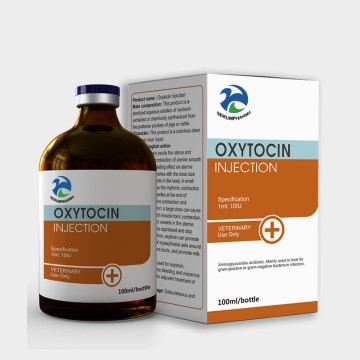
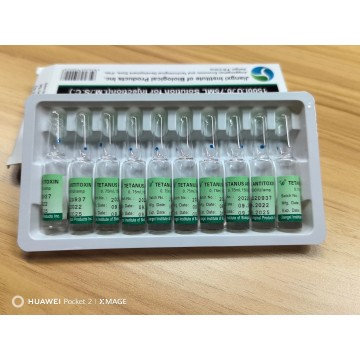
High-efficacy veterinary pharmaceuticals formulated for rapid response in acute hypoglycemic crises, metabolic shock, and reproductive health support.
Hypoglycemia in veterinary medicine refers to a critical physiological state characterized by abnormally low blood glucose concentrations. Unlike chronic metabolic conditions, acute hypoglycemia is a medical emergency requiring immediate, decisive pharmaceutical intervention. Glucose is the primary energy substrate for the central nervous system; because neurons have negligible intracellular glycogen storage capabilities, they depend entirely on a continuous supply of circulating glucose. Prolonged or severe hypoglycemia quickly leads to neuroglycopenia, manifesting as ataxia, weakness, disorientation, focal or generalized seizures, irreversible brain damage, comatose states, and ultimately, mortality.
In clinical practice, acute hypoglycemia is encountered across a wide spectrum of species. In companion animals, it is frequently diagnosed in toy breed puppies (due to immature hepatic gluconeogenic pathways), diabetic pets undergoing accidental insulin overdose, and hunting dogs experiencing exertional exhaustion. In livestock production, particularly in intensive swine and dairy operations, hypoglycemia represents a major economic and welfare concern. Neonatal piglets are born with minimal fat reserves and are highly susceptible to hypothermia and starvation-induced hypoglycemia within the first 48 hours of life. In dairy cows, the sudden, massive demand for glucose at the onset of lactation often outstrips metabolic capacity, triggering subclinical and clinical ketosis, which is fundamentally a state of systemic energy deficiency and relative hypoglycemia.
Key Market Driver: The rising global demand for high-yield livestock and the increasing humanization of companion animals are driving unprecedented growth in the veterinary emergency medicine market, with a specific focus on rapid-acting metabolic stabilizers.
The commercial market for veterinary pharmaceuticals targeting acute hypoglycemia is expanding rapidly. The companion animal sector demands highly precise, rapid-acting, and easy-to-administer formulations, such as concentrated oral glucose gels, glucagon injections, and constant rate infusion (CRI) additives. In the production animal sector, the focus shifts to volume, cost-efficiency, and herd-wide administration protocols. Distributors and manufacturers are increasingly looking for stable Active Pharmaceutical Ingredients (APIs) that can withstand environmental fluctuations in agricultural settings.
Manufacturing veterinary pharmaceuticals for acute metabolic crises requires strict adherence to international Good Manufacturing Practices (GMP). Injectable dextrose solutions, glucocorticoids like dexamethasone, and biological agents must maintain absolute sterility and precise osmolarity to prevent tissue necrosis or systemic shock upon administration. As regulatory bodies tighten controls on veterinary drug residues and quality standards, manufacturers must invest in advanced sterilization, state-of-the-art filtration, and rigorous quality control protocols to remain competitive globally.
The industry is transitioning toward biotechnology-driven solutions. Bio-fermentation is replacing traditional chemical synthesis for producing high-purity glucose precursors, vitamins, and metabolic co-factors. Furthermore, co-crystallization techniques are being utilized to develop highly stable, moisture-resistant solid formulations that dissolve instantly in water. This is highly beneficial for creating soluble powders used in livestock drinking water systems, ensuring rapid absorption and minimal waste.
1. Companion Animal Emergency Medicine (Insulin Overdose & Insulinomas): In small animal veterinary clinics, accidental insulin overdose by pet owners is a common cause of emergency admission. Veterinarians rely on immediate intravenous boluses of 50% dextrose, followed by a continuous rate infusion (CRI) of 2.5% to 5% dextrose to stabilize blood glucose. For dogs diagnosed with insulinomas (insulin-secreting pancreatic tumors), acute hypoglycemic crises are managed using a combination of dextrose, glucocorticoids (to stimulate gluconeogenesis and inhibit peripheral glucose uptake), and somatostatin analogues like octreotide.
2. Neonatal Livestock Rescue (Piglets and Lambs): In industrial swine farms, hypothermia-hypoglycemia complex is a leading cause of pre-weaning mortality. Piglets that fail to nurse within the first few hours of life exhaust their limited glycogen stores. Acute treatment involves intraperitoneal injection of warm 5% to 10% dextrose solutions, combined with oral administration of energy-dense bio-fermented pre-mixes. This rapid intervention restores body temperature and suckling reflex, preventing mortality and improving overall litter survival rates.
3. Bovine Ketosis and Pregnancy Toxemia: High-producing dairy cows in early lactation experience a negative energy balance, leading to subclinical or clinical ketosis. The acute treatment protocol demands intravenous administration of 50% dextrose to immediately raise blood glucose levels, suppress lipolysis, and reduce ketone body production. This is often paired with glucocorticoids (such as dexamethasone) to redirect amino acids and glycerol toward hepatic gluconeogenesis, and oral administration of propylene glycol as a glucose precursor.
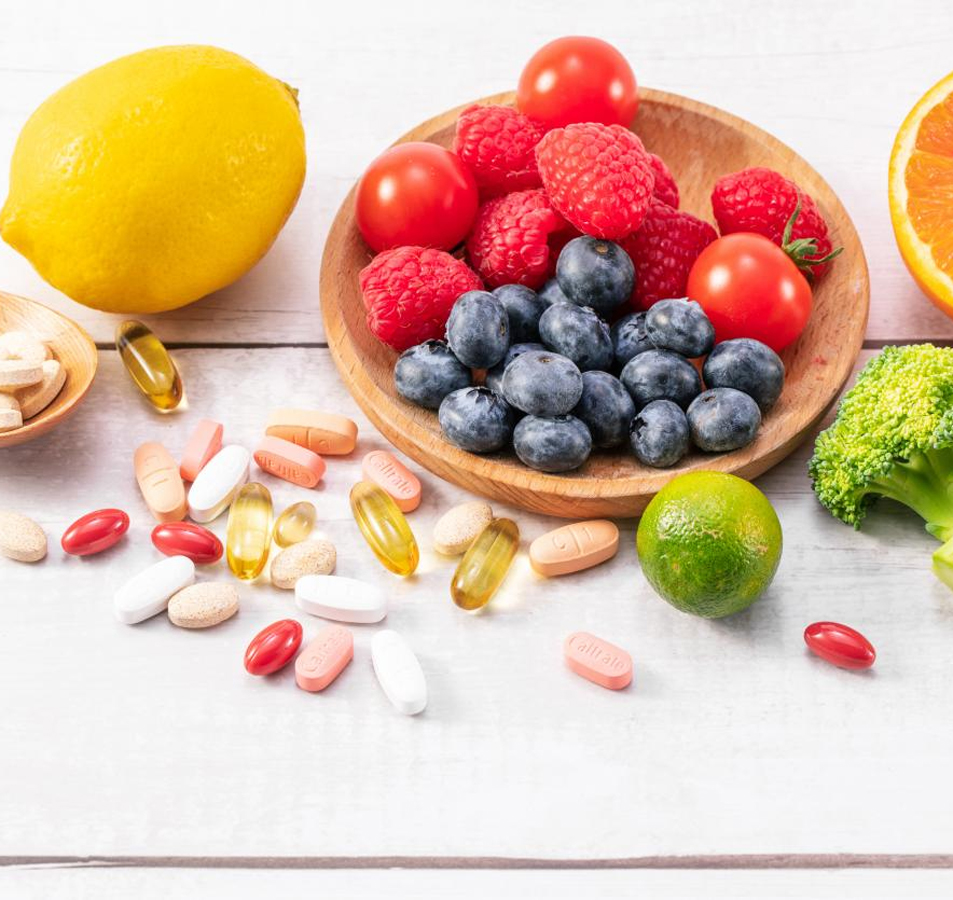
Jiangxi Serum Pharma Industries Co., Ltd. is a professional supplier of pharmaceutical and nutritional products in China. For nearly 10 years, we have been dedicated to exporting biological products, vaccines, Western medicines, raw materials, intermediates, medical consumables, food additives, and plant extracts, and have accumulated rich industry experience.
Our commitment to excellence in the veterinary pharmaceutical sector is reflected in our advanced supply chain, rigorous quality assurance, and global distribution network. We work closely with leading manufacturers to provide high-quality APIs, pre-mixes, and finished formulations that meet the strict requirements of veterinary clinics and agricultural enterprises worldwide.
Read more about usEstablished and serving global markets since 2017
Over 500 long-term cooperation clients worldwide
More than 200 close-related manufacturing partners
Annual sales exceeding 10,000,000 US dollars
Serum Pharma continuously monitors the development of cutting-edge markets. We cooperate with global partners on the customization of Pre-Mix, Co-Crystallization, and Bio-Fermentation services to optimize veterinary therapy delivery.

Homogeneous pre-mixes designed for seamless integration into animal feed, ensuring consistent delivery of essential glucose precursors and metabolic co-factors across large herds.
Read More
Innovative solid-state engineering that improves the solubility, stability, and bioavailability of active compounds, preventing degradation in challenging agricultural environments.
Read More
Sustainable, high-purity biological production of organic acids, enzymes, and nutritional factors that support rapid intestinal absorption and metabolic recovery.
Read MoreStay informed with the latest insights from our research teams regarding squalene synthesis, critical API molecules, and breakthrough metabolic treatments.
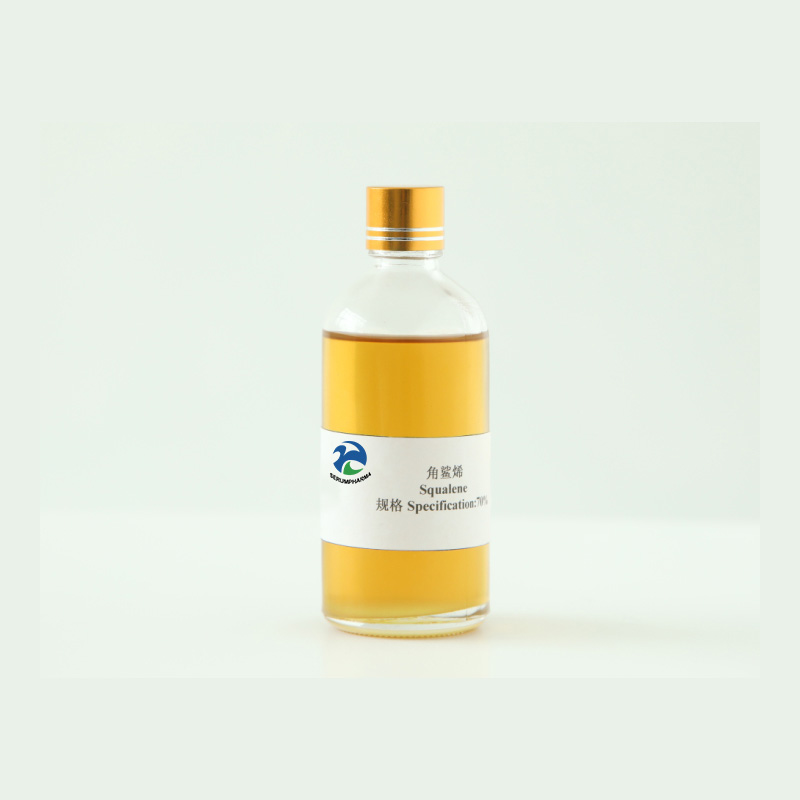
Exploring the transition to sustainable plant-derived squalene for vaccine adjuvants and cellular membrane stabilizers during acute metabolic stress recovery.
Learn More
An in-depth review of dexamethasone's role in promoting rapid gluconeogenesis and preventing cerebral edema during acute, severe hypoglycemic shock.
Learn More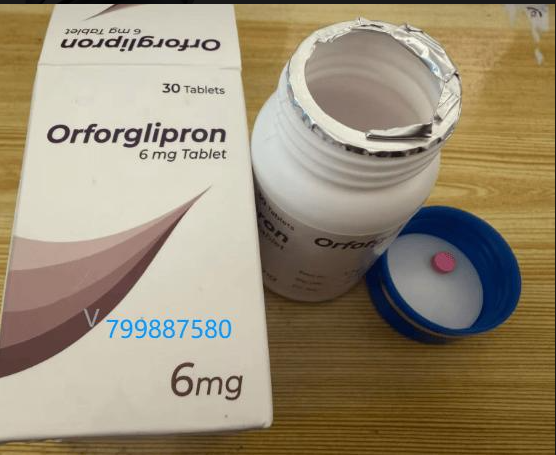
Analyzing the mechanism of oral small-molecule GLP-1 agonists and their potential applications in regulating glucose homeostasis and metabolic pathways.
Learn MoreExplore our complete range of metabolic support drugs, biologicals, and high-purity APIs manufactured to the highest international standards.
A professional supplier of pharmaceutical and nutritional products in China. Dedicated to exporting biological products, vaccines, Western medicines, raw materials, intermediates, medical consumables, food additives, and plant extracts.


© 2026 Jiangxi Serum Pharma Industries Co., Ltd. All Rights Reserved.