Leave Your Message

Jiangxi Serum Pharma Industries Co., Ltd. is a professional supplier of pharmaceutical and nutritional products in China. For nearly 10 years, we have been dedicated to exporting biological products, vaccines, Western medicines, raw materials, intermediates, medical consumables, food additives, and plant extracts, and have accumulated rich industry experience.
During veterinary surgical procedures, maintaining hemodynamic stability and cellular function is paramount. Anesthesia inherently compromises an animal's autoregulatory mechanisms, leading to vasodilation, depressed cardiac output, and altered blood pressure. Consequently, the administration of specialized veterinary pharmaceuticals for intraoperative fluid and electrolyte balance becomes a critical component of the anesthetic protocol. Fluid therapy is not merely about replacing volume; it is a complex pharmacological intervention aimed at maintaining oxygen delivery to tissues, preserving renal perfusion, and stabilizing acid-base equilibrium.
The animal body is composed primarily of water, divided into intracellular fluid (ICF) and extracellular fluid (ECF) compartments. The ECF is further subdivided into interstitial fluid and intravascular plasma. Under general anesthesia, several factors disrupt these fluid compartments. Evaporative loss from exposed surgical sites, blood loss, third-spacing (the relocation of fluid into non-functional interstitial spaces due to tissue trauma and inflammation), and pre-operative fasting all contribute to intravascular volume depletion. Without targeted fluid therapy, animals are highly susceptible to hypotension, tissue hypoxia, and subsequent multi-organ dysfunction syndrome (MODS).
Veterinary clinicians rely on two primary classes of intravenous fluids: crystalloids and colloids. Crystalloids contain water, sodium, and other electrolytes or non-electrolytes capable of passing through semipermeable membranes. They are categorized based on their tonicity relative to plasma:
Colloids, containing large molecules that do not easily cross the endothelial barrier, exert oncotic pressure to retain fluid within the vascular space. Synthetic colloids (like hydroxyethyl starches) and natural colloids (such as canine/equine plasma or albumin) are utilized when crystalloid therapy alone is insufficient to maintain blood pressure, particularly in hypoproteinemic patients or those suffering from severe blood loss.
The veterinary pharmaceutical sector is experiencing rapid expansion, driven by the professionalization of companion animal healthcare and the intensification of livestock production. Historically, veterinary clinics repurposed human intravenous fluids. Today, regulatory bodies like the FDA, EMA, and NMPA demand veterinary-specific approvals, driving the market toward dedicated veterinary formulations. The global veterinary therapeutics market is projected to grow significantly, with fluid therapy and electrolyte management products occupying a substantial share of this demand.
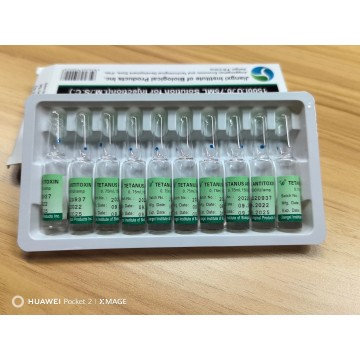
From an industrial perspective, manufacturing these sterile injectables requires state-of-the-art facilities compliant with Good Manufacturing Practices (GMP). Key challenges include ensuring pyrogen-free formulations, maintaining exact osmolarity, and preventing chemical leaching from packaging materials. Additionally, the rise of multi-drug resistant pathogens has highlighted the need for sterile, single-use infusion systems and premium biological support agents, such as Tetanus Antitoxin, to prevent post-operative complications in livestock and equine surgeries.
The veterinary community is transitioning from static, formulaic fluid administration rates (e.g., standard 10 mL/kg/h) to dynamic, individualized protocols known as Goal-Directed Fluid Therapy (GDFT). GDFT utilizes real-time monitoring parameters—such as arterial blood pressure, plethysmograph variability index, and blood lactate levels—to guide fluid infusion rates. This minimizes the risks of both hypovolemia (under-hydration) and fluid overload, which is particularly dangerous in feline patients and animals with pre-existing cardiac or renal disease.
Furthermore, technology is revolutionizing formulation science. Advanced veterinary pharmaceutical manufacturers are utilizing co-crystallization and bio-fermentation processes to produce highly stable, fast-dissolving electrolyte concentrates and nutritional additives. These innovations allow for the rapid preparation of customized infusion fluids in field settings, such as remote livestock farms or disaster relief zones, where transporting heavy, pre-mixed fluid bags is logistically challenging.
In large animal obstetrics, a Caesarean section is a high-stress procedure. The dam often suffers from exhaustion, uterine inertia, and subclinical hypocalcemia. During surgery, rapid blood loss and the sudden removal of the gravid uterus cause acute hemodynamic shifts. Here, veterinary pharmaceuticals play a dual role:
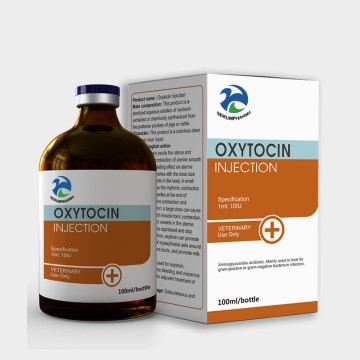
First, the administration of isotonic crystalloids supplemented with calcium gluconate is essential to maintain myocardial contractility and uterine tone. Second, the administration of Premium Veterinary Oxytocin Injection is vital post-extraction to stimulate uterine contraction, control postpartum hemorrhage, and facilitate placental expulsion, directly contributing to the stabilization of maternal fluid volume.
Horses undergoing colic surgery present some of the most complex fluid and electrolyte challenges in veterinary medicine. Endotoxemia, systemic inflammatory response syndrome (SIRS), and severe dehydration are common. Large-volume crystalloid infusion (often 10-20 L/h for an adult horse) is required to combat shock and maintain intestinal perfusion.
Because these surgeries are invasive and performed under field or clinical conditions with high risk of soil contamination, administering Veterinary Drug Tetanus Antitoxin is a critical perioperative protocol to prevent Clostridium tetani infection. The integration of antitoxin therapy alongside aggressive fluid resuscitation ensures both immediate hemodynamic survival and long-term protection against fatal neurotoxins.
In canine and feline orthopedic surgeries, prolonged anesthesia can lead to hypothermia and hypotension. The use of balanced, buffered crystalloid fluids (such as Plasma-Lyte or LRS) is essential to preserve renal function under volatile anesthetic agents like isoflurane. Precision micro-infusion pumps are utilized to deliver exact fluid rates, preventing pulmonary edema while ensuring that the kidneys are protected from the hypotensive effects of deep anesthesia.
Our pharmaceutical products consist of biological products, vaccines, western medicines, raw material, intermediates, medical consumables, with high quality and affordable prices.
View Details

Derives From The Nature To Maintain Body Health And Balance With Purity.
Our nutritional ingredients cover several categories as plant extracts, plant oils & proteins, probiotics and other specialties, we are committed to exploring more health ingredients to support people’s health.
Serum Pharma will continuously monitor the development of the cutting-edge markets. Currently, we have already cooperated with our partners on the customization of Pre-Mix, Co-Crystallization and Bio-Fermentation products service, and have launched corresponding support services.